The Nutritional Profile of Olive Oil
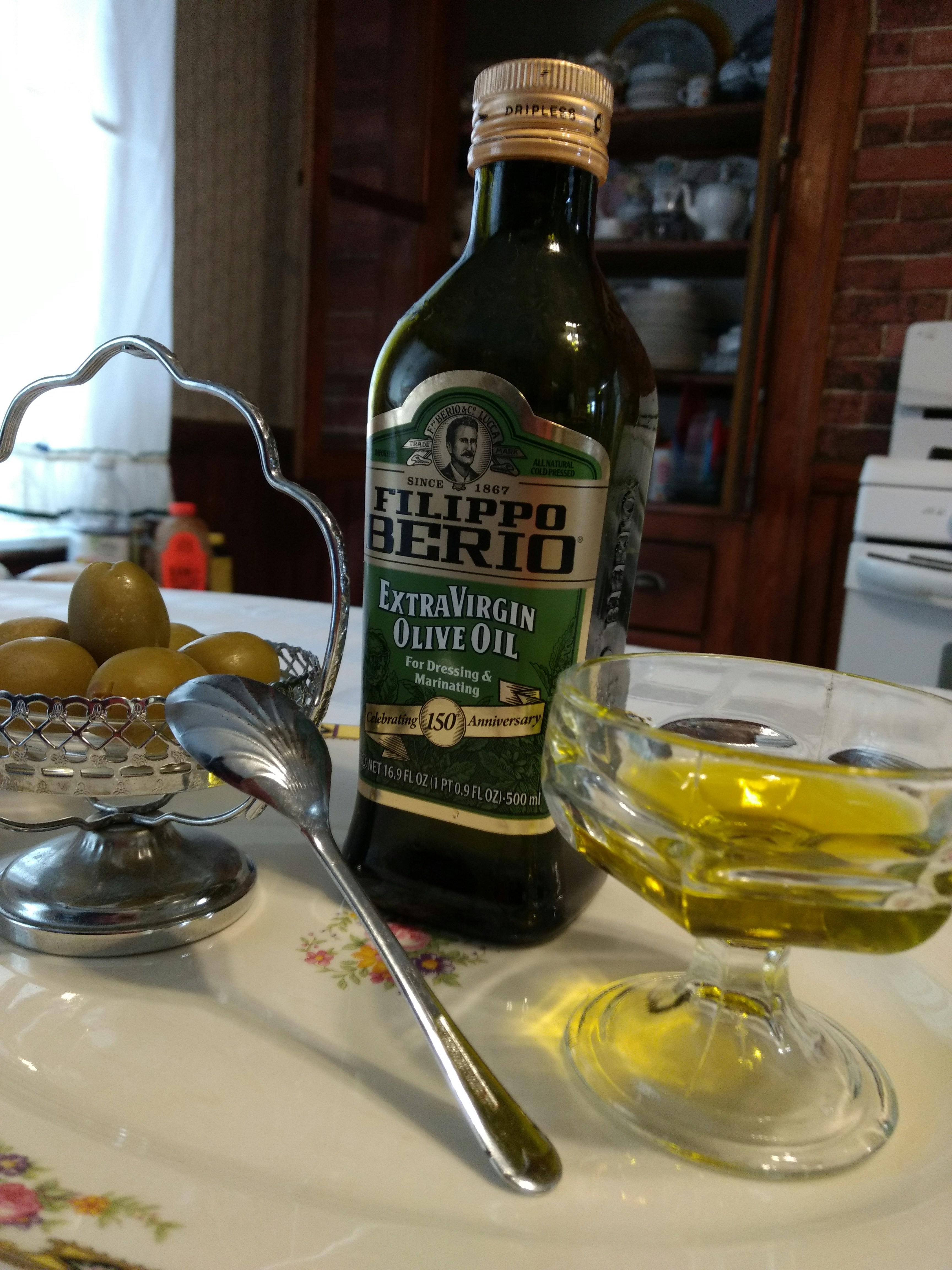
Olive oil is widely recognized for its exceptional nutritional profile, prominently featuring a high concentration of monounsaturated fats, which are known to support heart health. These fats, primarily oleic acid, help in reducing levels of LDL cholesterol while increasing HDL cholesterol, contributing to improved cardiovascular function. The incorporation of olive oil into daily diets has been associated with a lower risk of heart disease, offering a healthy alternative to saturated fats found in animal products.
In addition to its beneficial fat content, olive oil is rich in antioxidants. Compounds such as vitamin E and phenolic antioxidants play a crucial role in combating oxidative stress, which is linked to various chronic diseases. These antioxidants work to neutralize free radicals in the body, thus reducing inflammation and promoting overall health. The presence of oleocanthal, a phenolic compound, is known for its anti-inflammatory properties, making olive oil not only a flavorful addition to meals but also a functional food.
Furthermore, olive oil is a source of essential vitamins and phytonutrients. Vitamin E contributes to skin health and immune function, while sapogenins and sterols found in olive oil are thought to aid in cholesterol management. The lipid-soluble vitamins A, D, E, and K are also present, benefiting various bodily functions, from vision to bone health. The diverse components of olive oil showcase its significance in a balanced diet, particularly in Mediterranean cuisine where it is a staple ingredient.
Overall, the rich nutritional composition of olive oil underscores its role as a health-promoting food, providing multiple benefits due to its unique blend of monounsaturated fats, antioxidants, vitamins, and phytonutrients. This multifaceted profile not only enhances culinary dishes but also supports overarching health and well-being.
Cardiovascular Health Benefits
Olive oil has garnered substantial attention in recent years for its positive effects on cardiovascular health. Numerous studies have demonstrated that incorporating olive oil, particularly extra virgin olive oil, into one’s diet can lead to significant improvements in heart-related outcomes. One of the primary benefits is its ability to lower the risk of heart disease, which continues to be a leading cause of mortality worldwide.
Research suggests that the monounsaturated fats found in olive oil can help reduce levels of low-density lipoprotein (LDL) cholesterol, often labeled as “bad” cholesterol. By decreasing LDL levels and raising high-density lipoprotein (HDL or “good” cholesterol), olive oil contributes to a more favorable cholesterol profile, supporting overall cardiovascular function. A study published in the journal Circulation found that individuals who consumed a Mediterranean diet enriched with olive oil exhibited a 30% reduction in heart disease risk compared to those adhering to a low-fat diet.
Moreover, olive oil contains potent antioxidants, such as oleocanthal and vitamin E, which play a role in reducing inflammation—an essential factor in maintaining heart health. Inflammation can lead to the development of atherosclerosis, where arteries become narrowed and hardened due to plaque buildup. Regular consumption of olive oil may help mitigate this risk.
Incorporating olive oil into one’s diet can be both simple and enjoyable. Practical tips include drizzling it over salads, using it as a cooking oil for sautéing vegetables, or adding it to dips such as hummus. Choosing high-quality extra virgin olive oil is crucial, as it retains the maximum amount of beneficial nutrients. By making olive oil a staple in your diet, you can take a meaningful step toward improving cardiovascular health and reducing the risk of associated diseases.
Anti-inflammatory and Antioxidant Properties
Olive oil is renowned not only for its culinary uses but also for its remarkable health benefits, particularly its anti-inflammatory and antioxidant properties. One of the key compounds responsible for these effects is oleocanthal, a phenolic compound found in extra virgin olive oil. Research has demonstrated that oleocanthal possesses anti-inflammatory capabilities similar to those of ibuprofen, which can help mitigate inflammation associated with chronic diseases such as arthritis. This makes olive oil a valuable addition to the diets of individuals suffering from inflammatory conditions, as regular consumption can lead to reduced pain and improved functionality.
In addition to oleocanthal, olive oil is rich in antioxidants, such as vitamin E and various polyphenols. These antioxidants play a crucial role in protecting the body against oxidative stress, which occurs when there is an imbalance between free radicals and antioxidants in the body. Oxidative stress has been linked to various chronic diseases, including cancer, heart disease, and neurodegenerative disorders. By neutralizing free radicals, the antioxidants found in olive oil can help reduce the risk of these diseases and promote overall health.
The implications of the anti-inflammatory and antioxidant properties of olive oil extend to conditions such as arthritis and cancer. For those with arthritis, incorporating olive oil into the diet can potentially alleviate symptoms and improve the quality of life. In terms of cancer prevention, the consumption of olive oil has been associated with a lower risk of certain types of cancers, likely due to its ability to combat oxidative stress and reduce inflammation. Overall, the integration of olive oil into a balanced diet can serve as a proactive measure to promote health and reduce the risk of chronic diseases.
Incorporating Olive Oil into Your Daily Diet
Olive oil is a versatile ingredient that can enhance both the flavor and nutritional profile of your meals. To effectively incorporate olive oil into your daily diet, consider utilizing it in various culinary applications. Drizzling it over salads not only adds a rich taste but also provides beneficial fats. Opt for a simple vinaigrette by mixing olive oil with vinegar, lemon juice, and your favorite herbs for an irresistible dressing that elevates your greens while maximizing health benefits.
Cooking with olive oil is another excellent approach. Its high smoke point makes it suitable for sautéing vegetables, grilling meats, or even roasting potatoes. However, for dishes that do not require high heat, consider using extra virgin olive oil, which is less processed and retains more of its natural antioxidants and flavors. A splash of this premium oil can enhance the taste of pasta, grains, or even dips like hummus.
When it comes to storage, proper techniques are essential for maintaining the integrity of the oil. Keep olive oil in a cool, dark place, away from heat sources or direct sunlight. A tightly sealed dark glass bottle is ideal, as it helps to prevent oxidation and maintain freshness. Always check the expiration date on the label to ensure you are purchasing a high-quality product. Look for oils that are labeled as “extra virgin,” as they typically contain the highest levels of beneficial compounds.
For those looking to try new recipes, consider making a classic Mediterranean dish such as a Greek salad, featuring fresh tomatoes, cucumbers, olives, and a generous drizzle of olive oil. Alternatively, you might want to prepare a simple yet flavorful olive oil cake, merging the health benefits of the oil with a delightful dessert. These meal ideas and storage tips can help integrate olive oil seamlessly into your everyday cooking, ensuring you reap the health benefits while enjoying its culinary versatility.