
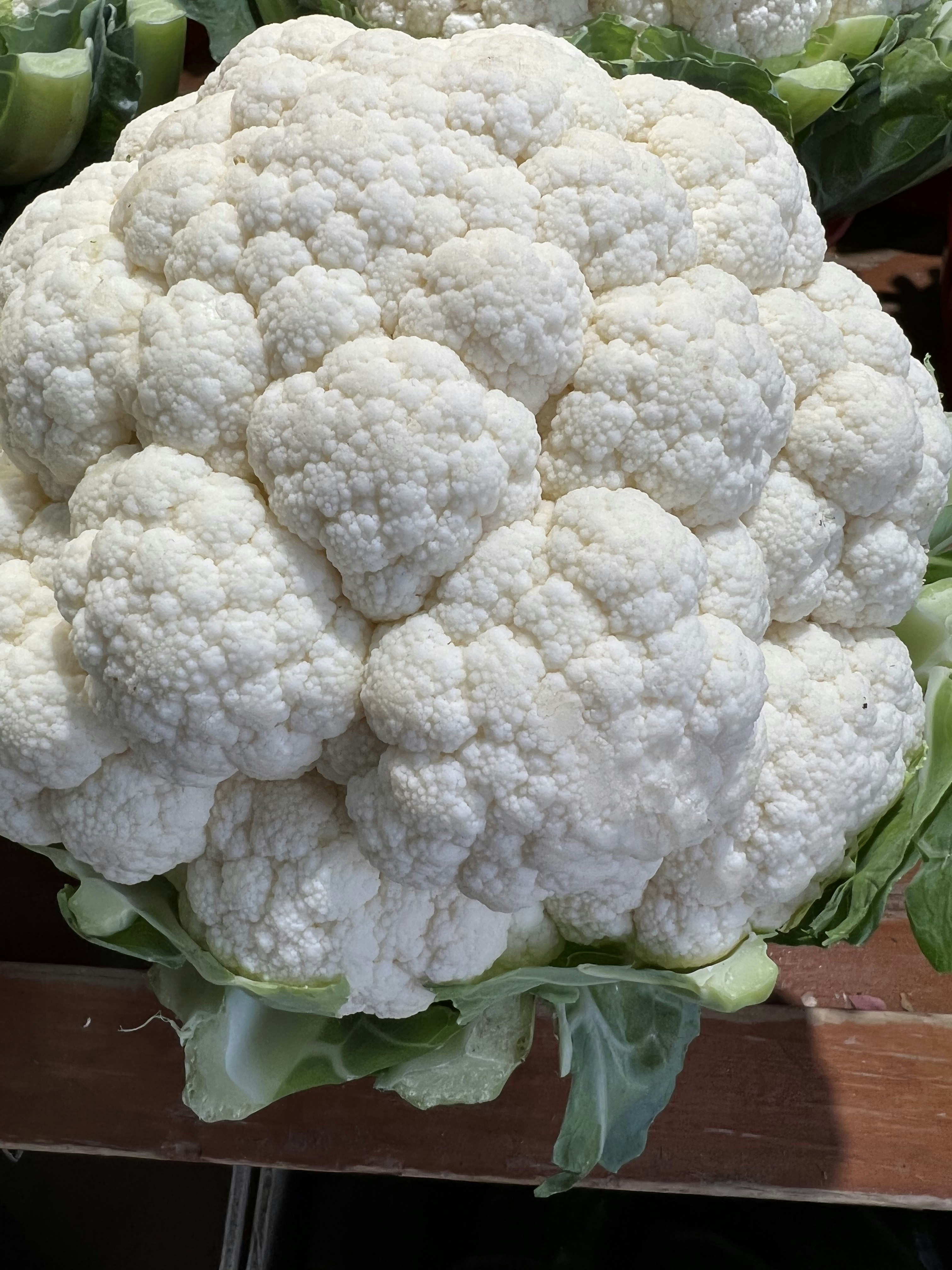
Introduction to Cauliflower and Its Nutritional Profile
Cauliflower is a cruciferous vegetable belonging to the Brassica family, which also includes broccoli, kale, and cabbage. Its botanical classification is Brassica oleracea var. botrytis. Cauliflower is widely recognized for its versatility in cooking and is available in various common varieties, including white, orange, purple, and green, each offering distinct flavors and aesthetic appeal.
One of the notable aspects of cauliflower is its impressive nutritional profile. This vegetable is particularly low in calories, making it an excellent option for those seeking to maintain or lose weight. A cup of raw cauliflower contains approximately 25 calories, which allows for generous portions without the associated caloric burden. Moreover, cauliflower is rich in essential vitamins and minerals, contributing significantly to a balanced diet.
Cauliflower is an excellent source of vitamin C, which is vital for maintaining a healthy immune system and promotes skin health through collagen synthesis. Additionally, it contains substantial amounts of vitamin K, which plays a crucial role in bone health and proper blood clotting. The vegetable is also packed with folate, a B-vitamin that supports cellular function and is particularly important during periods of rapid growth such as pregnancy.
Furthermore, cauliflower is high in dietary fiber, which is essential for digestive health. The fiber content aids in maintaining bowel regularity and can help prevent constipation. The fiber in cauliflower may also facilitate a feeling of fullness, helping to curb overeating and support weight management efforts.
Overall, the combination of low calories, vitamins, and dietary fiber positions cauliflower as an invaluable addition to a nutritious diet, laying the groundwork for its numerous health benefits discussed in subsequent sections.
Cauliflower and Disease Prevention
Cauliflower, a member of the cruciferous vegetable family, has garnered attention in scientific research for its potential role in disease prevention. Numerous studies highlight a link between the consumption of cauliflower and a reduced risk of chronic diseases, particularly various forms of cancer and heart disease. The protective effects of this vegetable are largely attributed to its rich composition of bioactive compounds, including glucosinolates, antioxidants, and vitamins.
Meta-analyses have systematically reviewed observational studies and randomized trials, often revealing that diets high in cruciferous vegetables correlate with lower incidences of cancer. One study demonstrated that frequent consumption of cauliflower was associated with a significant decrease in the risk of colorectal cancer. Additionally, other research has indicated that the isothiocyanates found in cauliflower and other cruciferous vegetables can inhibit cancer cell proliferation and induce apoptosis in malignant cells.
Beyond cancer prevention, cauliflower also plays a beneficial role in heart health. Studies have shown that the antioxidants present in this vegetable can help reduce oxidative stress and inflammation, two major contributors to cardiovascular diseases. The fiber content in cauliflower further aids in promoting healthy cholesterol levels, which can mitigate the development of atherosclerosis.
Moreover, the sulfur-containing compounds, prevalent in cauliflower, have been linked to enhanced detoxification processes within the body. These compounds not only bolster liver function but also contribute to reducing the risk of developing chronic diseases associated with toxin accumulation.
Overall, the scientific evidence suggests that incorporating cauliflower into a balanced diet may offer significant protective benefits against chronic diseases like cancer and heart disease. This underscores the importance of cruciferous vegetables in promoting overall health and preventing disease.
Impact on Weight Management
In recent years, cauliflower has emerged as a popular low-calorie alternative in various diets, particularly those focused on weight management. This cruciferous vegetable is characterized by its impressive nutritional profile, especially its low-calorie and high-fiber content. By incorporating cauliflower into one’s diet, individuals can achieve a sense of satiety, which is essential for managing hunger and reducing overall calorie intake.
Scientific research has consistently demonstrated that foods rich in fiber, such as cauliflower, play a crucial role in promoting feelings of fullness. High-fiber foods contribute to slower digestion, helping individuals feel satisfied longer after meals. Furthermore, cauliflower is incredibly versatile, making it easy to incorporate into a variety of dishes. Whether used as a rice substitute in stir-fries, blended into soups, or mashed as a lower-calorie alternative to potatoes, the adaptability of cauliflower allows for creative meal planning.
A meta-analysis of dietary patterns indicates that individuals who consume more vegetables, especially low-calorie options like cauliflower, typically have lower body mass indices (BMIs) and better weight management outcomes. This suggests that enhancing one’s diet with cauliflower could be a practical strategy for those looking to lose weight or maintain a healthy weight. Additionally, preparing cauliflower in innovative ways, such as roasting or adding spices, can elevate the sensory appeal of meals without significantly increasing calorie intake.
In conclusion, including cauliflower in your dietary regimen not only aids in weight management but also contributes to overall health due to its rich nutritional content. By understanding how to incorporate this vegetable effectively, individuals can harness its benefits in achieving their weight loss goals while enjoying satisfying and flavorful meals.
Cauliflower’s Role in Gut Health
Cauliflower, a member of the cruciferous vegetable family, plays a significant role in promoting gut health, primarily due to its high fiber content. Fiber is well-known for its essential function in digestive health, as it aids in maintaining regular bowel movements and preventing constipation. A single cup of cooked cauliflower can provide approximately 5 grams of dietary fiber, contributing to the recommended daily intake for optimal digestive function.
The fiber found in cauliflower primarily exists as both soluble and insoluble fiber. Soluble fiber helps to regulate digestion by forming a gel-like substance in the gut, which can improve the consistency of stool and enhance the absorption of nutrients. On the other hand, insoluble fiber adds bulk to the stool and facilitates its movement through the intestines, which is crucial for preventing constipation. The integration of cauliflower into one’s diet may thus help in maintaining a healthy gastrointestinal tract.
Scientific studies have indicated that a diet rich in fiber, including that found in cauliflower, may positively influence the gut microbiome. A balanced microbiome contributes to better digestive health by supporting the growth of beneficial bacteria, which plays a vital role in breaking down food particles and synthesizing essential nutrients. Additionally, research suggests that consuming high-fiber foods like cauliflower may help manage or even prevent the onset of certain gastrointestinal disorders, including inflammatory bowel diseases (IBD) such as Crohn’s disease and ulcerative colitis. The anti-inflammatory properties associated with a high-fiber diet could potentially alleviate some symptoms experienced by individuals with these conditions.
In conclusion, the incorporation of cauliflower into a balanced diet not only provides essential nutrients but also supports gut health through its rich fiber content. Emphasizing the importance of fiber in promoting a healthy digestive system can lead to improved overall well-being for individuals looking to enhance their gastrointestinal function.
Antioxidant Properties of Cauliflower
Cauliflower, a cruciferous vegetable, is well-regarded for its rich content of antioxidant compounds, which play a crucial role in combating oxidative stress within the human body. Research has identified significant antioxidants in cauliflower, particularly glucosinolates and isothiocyanates. These compounds are not only responsible for the distinctive flavor and aroma of cauliflower but also contribute to its health-promoting properties.
Glucosinolates, a group of sulfur-containing compounds, have been extensively studied for their potential protective effects against various chronic diseases, including cancer. Upon consumption, glucosinolates are metabolized to form isothiocyanates, which possess powerful antioxidant properties. Scientific studies have shown that these metabolites can neutralize free radicals, thereby mitigating oxidative damage to cells and tissues. According to a meta-analysis published in the Journal of Nutrition, a higher intake of cruciferous vegetables like cauliflower correlates with a lower risk of certain cancers, highlighting the significance of these antioxidants in disease prevention.
Moreover, isothiocyanates exhibit anti-inflammatory properties, which further enhance their efficacy in promoting overall health. A study conducted by researchers at the University of California found that regular consumption of cruciferous vegetables could significantly reduce markers of inflammation in the body. This finding suggests that the antioxidants in cauliflower may not only prevent oxidative damage but also contribute to the body’s inflammatory response.
In conclusion, the antioxidant properties of cauliflower, attributed to its glucosinolates and isothiocyanates, play a vital role in reducing oxidative stress and may lower the risk of chronic diseases. By incorporating cauliflower into a balanced diet, individuals can take advantage of these health benefits, promoting resilience against various health issues.
Support for Mental Health
The intricate relationship between diet and mental health has garnered significant attention in recent years, particularly concerning how specific foods, including cauliflower, can influence cognitive function and emotional well-being. Emerging research suggests that a diet enriched with a variety of nutrients plays a critical role in maintaining mental health. Cauliflower, a member of the cruciferous vegetable family, is particularly noteworthy due to its high content of beneficial compounds.
Studies have shown that antioxidants, vitamins, and minerals found in cauliflower may contribute positively to brain health. For instance, vitamin C and various B vitamins present in this vegetable are crucial for neurotransmitter synthesis, thereby aiding in mood regulation. Moreover, cauliflower is rich in fiber, which can support gut health. Recent research underscores the gut-brain connection, suggesting that a healthy gut microbiome is essential for optimal brain function and emotional stability.
Moreover, the phytochemicals in cauliflower, such as sulforaphane, are being investigated for their neuroprotective properties. These compounds may help to reduce inflammation and oxidative stress, both of which have been linked to mood disorders and cognitive decline. Some meta-analyses have reported an association between diets high in fruits and vegetables, including cauliflower, and a reduced risk of depression and anxiety. This suggests that incorporating cauliflower into a balanced diet may not only help in physical health but also enhance mental well-being.
To summarize, the integration of cauliflower into one’s diet could support mental health through a combination of nutrient enrichment and potential neuroprotective effects. As scientific research continues to evolve, a deeper understanding of the mental health benefits associated with various dietary patterns including those rich in cauliflower will likely emerge, providing further insights into effective strategies for improving emotional well-being.
Cooking Methods and Nutrient Preservation
Cauliflower, a member of the cruciferous vegetable family, is known for its versatility in various dishes. Understanding the different cooking methods is essential, as they can significantly affect the nutrient profile of this vegetable. Three common methods include steaming, roasting, and consuming it raw.
Steaming is often regarded as one of the healthiest cooking methods for cauliflower. Research indicates that this technique helps preserve essential vitamins and minerals by minimizing direct contact with water and reducing cooking time. As a result, steamed cauliflower retains a higher level of water-soluble nutrients, such as vitamin C and several B vitamins, compared to boiling. Furthermore, steaming promotes the preservation of glucosinolates, compounds believed to have anticancer properties.
Roasting, on the other hand, provides a distinct flavor that many enjoy. However, it is important to consider that roasting at high temperatures can lead to some nutrient loss. While this method enhances the taste through caramelization, research has shown that prolonged exposure to heat can degrade vitamins such as vitamin C and certain antioxidants. Nevertheless, the creation of flavorful dishes often encourages increased vegetable consumption, which may, in turn, offset potential nutrient loss.
For those seeking the maximum health benefits, consuming cauliflower raw is another excellent choice. Raw cauliflower is a rich source of dietary fiber, vitamins, and minerals, maintaining its full nutrient integrity. Furthermore, raw consumption allows individuals to experience the maximum benefit from its glucosinolates. However, it is essential to wash raw cauliflower thoroughly to remove any pesticides or contaminants.
In summary, the choice of cooking method plays a crucial role in determining the nutrient preservation of cauliflower. By selecting appropriate preparation techniques such as steaming or opting for raw consumption, individuals can optimize the health benefits derived from this nutritious vegetable.
Sustainable Eating and Cauliflower
As consumers increasingly look for ways to reduce their impact on the environment, the role of dietary choices becomes paramount. Cauliflower, a cruciferous vegetable, is emerging as a key player in sustainable eating. Its cultivation not only requires fewer resources compared to many other vegetables, but it also exhibits a lower carbon footprint. Studies have shown that per kilogram, cauliflower has a significantly reduced greenhouse gas emission, making it an environmentally friendly option for conscientious eaters.
The sustainability of cauliflower can be attributed to its adaptability to various climatic conditions and its relatively short growth cycle. According to recent research, sustainable agricultural practices, such as crop rotation and organic farming systems, can further amplify the environmental benefits of cauliflower production. These techniques maintain soil health, reduce reliance on chemical fertilizers, and minimize water consumption, thereby enhancing the overall sustainability of the farming process.
Moreover, incorporating cauliflower into a balanced diet aligns with principles of sustainable diets. The Food and Agriculture Organization (FAO) emphasizes that achieving food security requires a shift toward more sustainable food consumption patterns. By replacing high resource-intensive foods with lighter options like cauliflower, consumers can contribute to a lower ecological footprint. This vegetable not only provides fiber, vitamins, and minerals but also supports biodiversity in agricultural practices.
In addition to direct health benefits, opting for cauliflower also promotes sustainable food systems. As farmers shift towards practices that support the cultivation of environmentally friendly crops, they foster ecosystems that are resilient and capable of withstanding climate change challenges. Therefore, choosing cauliflower is not merely a dietary decision but also a commitment to sustainable living, which benefits both individual health and the planet.
Conclusion: Embracing Cauliflower for Better Health
In light of the extensive research reviewed, it is evident that cauliflower offers a multitude of health benefits that can greatly contribute to overall well-being. This vegetable, recognized for its low carbohydrate content, is highly nutritious, providing a rich source of vitamins, minerals, and dietary fiber essential for maintaining healthy bodily functions. The anti-inflammatory properties derived from various phytochemicals found in cauliflower can play a crucial role in preventing chronic diseases.
Scientific evidence underscores the potential of cauliflower in supporting weight management efforts and improving digestive health. Its high fiber content aids in promoting gut health by fostering beneficial gut bacteria, thereby enhancing digestion and nutrient absorption. Furthermore, the antioxidant properties of cauliflower help combat oxidative stress, which is linked to numerous health conditions.
For those seeking to increase vegetable intake in their diets, incorporating cauliflower is an excellent choice. Various quick and simple recipe options can make it easier to include this versatile vegetable in daily meals. For instance, cauliflower can be enjoyed steamed, roasted, or even raw as part of a salad. It can be easily transformed into a low-carb substitute for rice or mashed potatoes. Additionally, it can be blended into smoothies or used as a base for soups, allowing for diverse flavor profiles and textures.
Thus, by embracing cauliflower and its numerous advantages, individuals can take a proactive step towards better health. Encouraging the integration of this cruciferous vegetable into regular dietary practices not only enhances nutrition but also contributes to the prevention of various health issues. As always, it is advised to consider personal dietary needs and consult with healthcare professionals before making significant changes to one’s diet.