Introduction: The Mediterranean Diet and Olive Oil
The Mediterranean diet has gained widespread recognition for its positive impact on health, with a primary emphasis on the consumption of fresh fruits, vegetables, whole grains, and healthy fats. Among these, olive oil stands out as a cornerstone ingredient, particularly extra-virgin olive oil, which is revered for both its flavor and healthful properties. This category of olive oil is pressed without the use of heat or chemicals, preserving its taste and nutritional benefits.
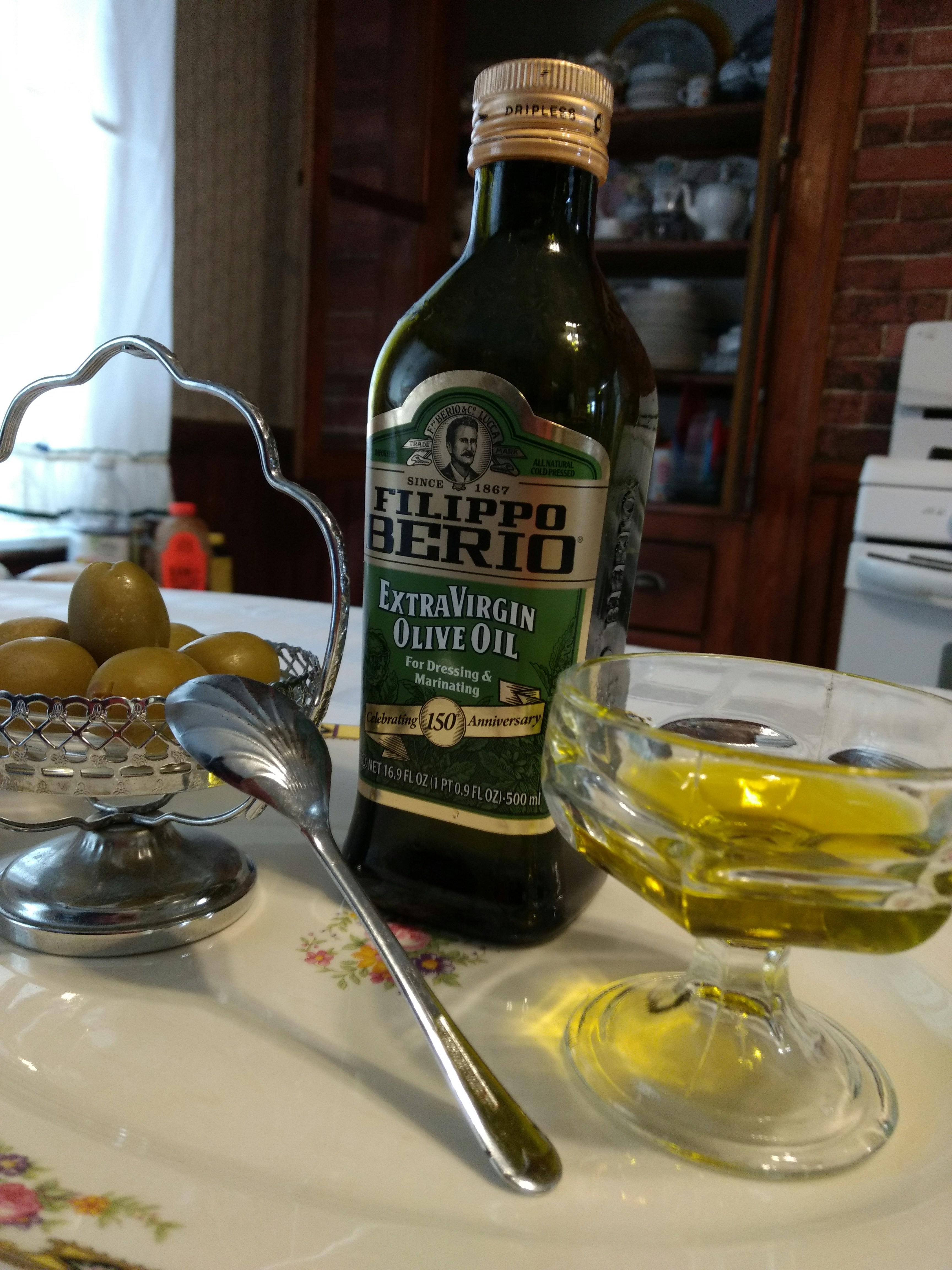
Extra-virgin olive oil is not merely a cooking fat; it serves a multitude of roles in Mediterranean cuisine. From drizzling over vibrant salads to serving as a base for sauces, it enhances the taste of various dishes while providing beneficial compounds such as antioxidants. The importance of this oil is reflected in its frequent use in traditional preparations, where it is combined with vegetables and grains, illustrating its versatility and pivotal role in daily meals.
In the Mediterranean region, olive oil is often consumed uncooked, allowing individuals to enjoy its full range of health benefits. For example, when used in salads, it not only adds flavor but also improves the absorption of fat-soluble nutrients from vegetables. This aligns well with the principles of the Mediterranean diet, which encourages the consumption of heart-healthy fats while limiting saturated fats.
Moreover, the contrasting characteristics of extra-virgin and refined olive oils are worth noting. While extra-virgin olive oil is rich in flavor and antioxidants, refined olive oil undergoes processing that removes many of its beneficial compounds. Understanding these differences is vital for those looking to maximize the health benefits associated with the Mediterranean diet, particularly in relation to vital nutrients such as hydroxytyrosol found in high-quality extra-virgin olive oil.
Understanding the Distinctions Between Extra-Virgin and Refined Olive Oil
Olive oil is a staple in many kitchens around the world, revered not only for its flavor but also for its numerous health benefits. Among the various types of olive oil, extra-virgin olive oil (EVOO) stands out due to its superior quality, which is largely a result of its production process. The primary difference between extra-virgin and refined olive oil lies in how each is processed. Extra-virgin olive oil is obtained from the first pressing of olives, often through cold extraction methods that preserve the oil’s natural flavor, aroma, and health-promoting compounds, including hydroxytyrosol. In contrast, refined olive oil undergoes a heating and chemical refining process that strips away many of the beneficial nutrients and distinctive flavors.
The process of producing extra-virgin olive oil involves minimal chemical treatment, ensuring that the resultant oil retains high levels of antioxidants and polyphenols. This method not only enhances the oil’s nutritional content but also contributes to its depth of flavor, which can range from fruity to peppery, depending on the olive variety and region of cultivation. On the other hand, refined olive oil tends to have a neutral taste, which may not complement dishes as well as its extra-virgin counterpart.
The health benefits associated with extra-virgin olive oil are significantly higher than those of refined varieties. The rich antioxidant profiles in EVOO, particularly the presence of hydroxytyrosol, contribute to various health benefits, including reducing inflammation and lowering the risk of chronic diseases such as heart disease. As a result, extra-virgin olive oil is not only preferred for its flavor but is also recommended for its potential to enhance overall health.
Introduction to Hydroxytyrosol
Hydroxytyrosol is a significant phenolic compound predominantly found in extra-virgin olive oil. This powerful antioxidant is renowned for its health-promoting properties, which have garnered the attention of researchers and health enthusiasts alike. Chemically, hydroxytyrosol is classified as a phenolic compound, specifically a derivative of tyrosol, characterized by its structure that includes two hydroxyl groups attached to a benzene ring. This structure contributes to its high stability and potent antioxidant capabilities, making it one of the most valuable components of olive oil.
Natural sources of hydroxytyrosol extend beyond just the oil itself; it is also present in significant quantities in the leaves of the olive tree, which are often used for infusions and dietary supplements. The presence of this compound in various parts of the olive plant underscores its importance in both traditional and modern dietary practices. Moreover, hydroxytyrosol forms a central part of the phenolic profile of olives, alongside other beneficial compounds such as oleuropein and tyrosol, enhancing the overall nutritional and health attributes of olives and extra-virgin olive oil.
Recognizing the health benefits associated with hydroxytyrosol is crucial as it plays a key role in the positive effects attributed to the Mediterranean diet, which is rich in olive oil. Research has suggested that hydroxytyrosol can support cardiovascular health, combat oxidative stress, and may even possess anti-inflammatory properties. As consumers become increasingly aware of the importance of antioxidants in their diet, hydroxytyrosol remains a pivotal element in the conversation surrounding olive oil and its myriad health benefits.
Hydroxytyrosol’s Role in Protecting Lipids
Hydroxytyrosol, a polyphenolic compound found in extra-virgin olive oil, has garnered significant attention for its role in safeguarding lipids from oxidative damage. Oxidative stress occurs when there is an imbalance between reactive oxygen species (ROS) and the body’s ability to neutralize them with antioxidants. This condition can lead to cell and tissue damage, resulting in various health issues, including cardiovascular diseases and neurodegenerative disorders. Given these implications, the protective capacity of hydroxytyrosol against lipid peroxidation is a critical area of research.
Research has demonstrated that hydroxytyrosol possesses potent antioxidant properties that are crucial for protecting lipids. It effectively neutralizes free radicals, which are highly reactive molecules that can initiate the oxidation of lipids in cell membranes. When lipids undergo oxidation, they form harmful by-products that disrupt cellular integrity and function. Hydroxytyrosol’s ability to scavenge these free radicals helps to maintain the stability and functionality of cellular membranes.
Moreover, studies suggest that hydroxytyrosol can enhance the activity of endogenous antioxidant enzymes, further bolstering the body’s defense mechanisms against oxidative damage. This dual action not only solidifies hydroxytyrosol’s role as a key antioxidant but also underscores its importance in facilitating overall lipid health. The consumption of extra-virgin olive oil, rich in hydroxytyrosol, is thus associated with lower oxidative stress levels, promoting better cardiovascular health and reducing the risk of chronic diseases.
In summary, the ability of hydroxytyrosol to protect lipids from oxidative damage reinforces its significance as a vital component of extra-virgin olive oil’s health benefits, contributing to the overarching narrative of nutrition and preventive health.
Lowering Inflammatory Signaling with Hydroxytyrosol
Hydroxytyrosol, a potent polyphenol found in extra-virgin olive oil, has garnered significant attention for its potential to lower inflammatory signaling within the body. Chronic inflammation is increasingly recognized as a contributing factor to various diseases, including cardiovascular disorders, diabetes, and neurodegenerative conditions. The ability of hydroxytyrosol to modulate inflammatory pathways presents a promising avenue for disease prevention and health promotion.
Research indicates that hydroxytyrosol exhibits strong anti-inflammatory properties, primarily through its interaction with various inflammatory mediators. For instance, studies have demonstrated that hydroxytyrosol can inhibit the production of pro-inflammatory cytokines, such as tumor necrosis factor-alpha (TNF-α) and interleukin-6 (IL-6). By downregulating these signaling molecules, hydroxytyrosol may help mitigate the inflammatory responses that contribute to chronic disease progression.
Furthermore, a study published in the Journal of Nutritional Biochemistry highlights hydroxytyrosol’s effect on the NF-κB signaling pathway, a critical regulator of inflammation. The findings indicate that the polyphenol not only suppresses the activation of NF-κB but also reduces oxidative stress, another key player in inflammatory processes. This dual action supports the hypothesis that hydroxytyrosol can provide a multifaceted approach to combating inflammation.
Moreover, epidemiological studies suggest that populations with higher olive oil consumption, rich in hydroxytyrosol, exhibit lower incidences of chronic diseases tied to inflammation. These observations reinforce the notion that incorporating hydroxytyrosol through dietary sources, particularly extra-virgin olive oil, may be a strategic measure for lowering inflammatory signaling and promoting better health outcomes.
In conclusion, hydroxytyrosol represents a valuable compound in the realm of nutrition and health. Its ability to modulate inflammatory pathways significantly enhances its appeal as a preventative agent in chronic disease management.
Supporting Vascular Health Markers
Hydroxytyrosol, a potent polyphenol found in extra-virgin olive oil, has gained considerable attention for its potential effects on vascular health. Numerous studies have examined how this compound may positively impact various cardiovascular health markers, particularly in enhancing endothelial function. The endothelium, a thin layer of cells lining the blood vessels, plays a crucial role in maintaining vascular homeostasis. Dysfunction in this layer is often a precursor to various cardiovascular diseases.
Research indicates that hydroxytyrosol can improve endothelial function by promoting vasodilation, a process that enables blood vessels to widen. This effect is believed to be mediated through the upregulation of nitric oxide production. Nitric oxide is a vital signaling molecule that helps to relax the vascular smooth muscle, thereby reducing blood pressure and improving overall blood flow. A study published in the journal Nutrition and Metabolism found that supplementation with hydroxytyrosol resulted in significant improvements in endothelial function, reflected in increased flow-mediated dilation.
Moreover, hydroxytyrosol’s antioxidant properties contribute significantly to vascular health. It helps combat oxidative stress, a condition characterized by an excess of free radicals that can lead to vascular inflammation and arterial damage. By scavenging these free radicals, hydroxytyrosol may play an essential role in preventing the oxidation of low-density lipoprotein (LDL) cholesterol, a critical factor in the development of atherosclerosis.
In light of these findings, incorporating hydroxytyrosol-rich foods, such as extra-virgin olive oil, into the diet could be beneficial for supporting vascular health. This approach not only enhances the quality of one’s diet but also may promote better cardiovascular health outcomes over time. Continued research on hydroxytyrosol is necessary to fully understand its mechanisms and potential therapeutic applications in vascular health management.
The Importance of Olive Phenolic Profile
The health benefits associated with extra-virgin olive oil (EVOO) are often attributed to its rich phenolic composition rather than relying on a singular compound like hydroxytyrosol. Olive oil encompasses a complex network of polyphenols, each contributing distinct health-enhancing properties. The synergy among these various phenolic compounds amplifies the potential advantages that EVOO offers, which has made it a celebrated staple in the Mediterranean diet.
In addition to hydroxytyrosol, olive oil contains other significant phenolic constituents such as oleuropein, tyrosol, and ligstroside. Each of these components plays an essential role in promoting cardiovascular health, reducing inflammation, and offering antioxidant protection. The synergistic effects of these compounds enhance their effectiveness, demonstrating that the phenolic profile of olive oil is integral to its health benefits. For instance, oleuropein is known for its anti-inflammatory properties, while tyrosol primarily acts as a powerful antioxidant.
Moreover, the overall phenolic profile of olive oil can vary based on several factors, including the olive variety, the region of cultivation, and the extraction process. This variability can influence the concentrations and combinations of specific phenolic compounds present in the oil. Therefore, selecting high-quality, cold-pressed extra-virgin olive oil is crucial to ensure that consumers receive the maximum potential health benefits associated with the diverse set of phenols.
In summary, while hydroxytyrosol is indeed a prominent molecule within the olive oil matrix, it is vital to recognize that the health advantages of EVOO stem from its entire phenolic profile. These compounds work collectively to deliver enhanced health impacts, emphasizing the importance of a holistic approach in evaluating the benefits of olive oil in nutrition and wellness.
Shopping for Olive Oil: What to Look For
When it comes to selecting high-quality extra-virgin olive oil (EVOO), a few crucial factors should guide your choices to ensure that you enjoy the full health benefits associated with this product, particularly due to its rich hydroxytyrosol content.
First and foremost, pay attention to labels. The designation “extra-virgin” signifies that the oil is derived from the first pressing of olives without the use of heat or chemicals. Look for certifications from reputable organizations such as the North American Olive Oil Association (NAOOA) or the International Olive Council (IOC). These certifications serve as assurances of quality and authenticity, helping to differentiate genuine EVOO from inferior alternatives.
Next, consider the flavor profile and aroma of the olive oil. High-quality EVOO should exhibit a fresh, fruity scent and a taste that ranges from peppery to grassy or nutty, depending on the olive variety and region it originates from. Sampling oils before purchasing, when possible, can provide valuable insights into their flavor dynamics. Additionally, examine the packaging; oils stored in dark glass bottles or tins protect the oil from light exposure, which can degrade its quality over time.
Another critical element is the origin of the olives. Knowing where the olives were sourced can provide context regarding their flavor and health benefits. Regions known for producing exceptional EVOO, such as Tuscany in Italy or Crete in Greece, often have more stringent quality control measures in place. Finally, be mindful of the harvest date. As olive oil is best consumed fresh, look for labels that display a harvest date instead of a sell-by date, ensuring the oil has not been sitting on the shelf for an extended period.
By considering these factors, you can confidently select an extra-virgin olive oil that is not only flavorful but also rich in beneficial compounds, enhancing both your culinary experiences and your overall health.
Storage Tips and Safety Notes for Olive Oil
Proper storage of extra-virgin olive oil is essential to preserving its exceptional quality and the health benefits it offers. To maintain the integrity of the oil, it is critical to protect it from factors that can lead to degradation. Olive oil should be stored in a cool, dark place, away from direct sunlight and heat sources. Ideally, a pantry or cupboard that does not experience temperature fluctuations is best. Exposure to light and heat can lead to the breakdown of its beneficial compounds, including hydroxytyrosol, a potent antioxidant.
Using dark glass containers or metal cans can further enhance the oil’s longevity by blocking light effectively. Plastic containers are generally discouraged as they can interact with the oil, potentially compromising its taste and quality. It is also advisable to keep the oil tightly sealed when not in use, as oxygen exposure can accelerate oxidation and spoilage.
The shelf-life of extra-virgin olive oil typically ranges from 18 months to two years from the bottling date, provided it is stored correctly. To ensure optimal freshness, it is wise to check the oil’s harvest or bottling date as purchasing olive oil in bulk can lead to waste if consumed past its prime. Signs of degradation include a rancid smell, an off-taste, or notable changes in color. Rancid oil may develop an unpleasant, sharp odor resembling that of crayons or play dough. If the oil possesses a bitter flavor or lacks the characteristic fruity, peppery notes, it is likely past its best quality.
In summary, following proper storage techniques and being aware of the signs of degradation can significantly extend the shelf life of olive oil, allowing consumers to enjoy its numerous health benefits for longer periods.