
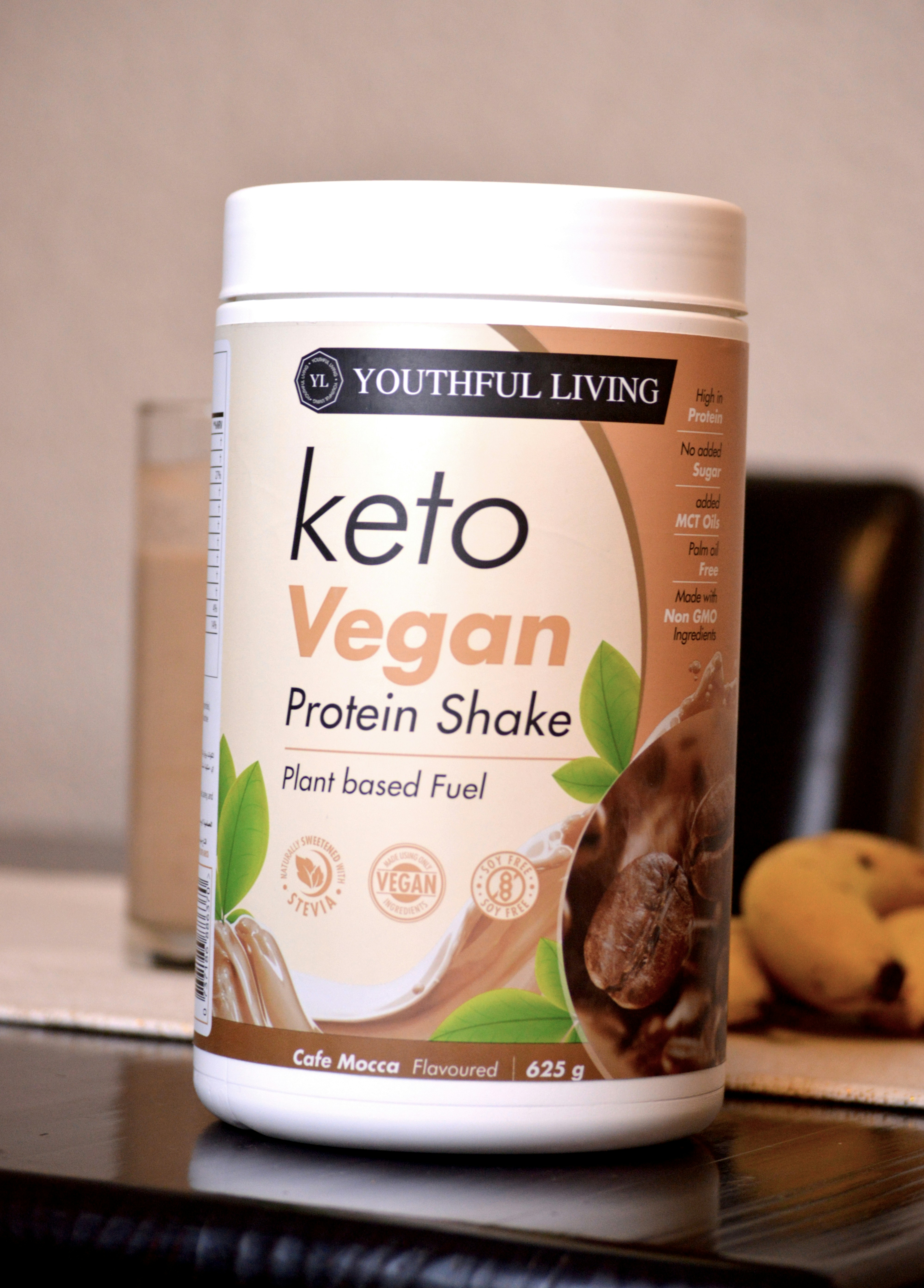
Introduction to Plant-Based Diets
Plant-based diets focus primarily on the consumption of foods derived from plants. This includes not only fruits and vegetables but also nuts, seeds, oils, whole grains, legumes, and beans. Although this diet does not necessarily exclude animal products entirely, it encourages individuals to prioritize plant-derived foods, which are celebrated for their rich nutrient profile and health-promoting properties. Over the past few years, the popularity of plant-based diets has surged significantly, driven by increasing awareness of environmental and health concerns.
Research has consistently shown that consuming more plants can lead to numerous health benefits. These diets are typically high in essential nutrients, such as vitamins, minerals, and antioxidants, which are key in combating oxidative stress that contributes to the aging process. Antioxidants play a vital role in neutralizing free radicals, unstable molecules responsible for cellular damage, thereby potentially slowing down age-related decline. Furthermore, incorporating a variety of plant foods helps in increasing the intake of polyphenols, compounds known for their anti-inflammatory properties.
The advantages of a plant-based lifestyle extend beyond individual health. Many people are drawn to these diets due to a growing consciousness regarding the impact of food choices on the environment. With the rising awareness of climate change, more individuals are recognizing the ecological benefits of reducing meat and dairy consumption. This shift in dietary patterns not only contributes to better personal health but also supports environmental sustainability.
Overall, the plant-based diet is not just a trend; it is a significant dietary choice that encourages a lifestyle centered on health, well-being, and environmental consciousness. As individuals aim for healthy aging, embracing a plant-centric approach may be a pivotal step in promoting longevity and vitality.
The Role of Antioxidants in Aging
Antioxidants are compounds that play a crucial role in protecting the body from oxidative stress, which is an imbalance between free radicals and antioxidants in the body. Free radicals are unstable molecules that can damage cells, leading to inflammation and accelerating the aging process. By neutralizing these free radicals, antioxidants help safeguard cellular integrity and promote overall health, making them essential for longevity.
Incorporating a diet rich in plant-based foods is one of the most effective ways to increase antioxidant intake. Fruits, vegetables, nuts, and grains offer a diverse range of these beneficial compounds. For example, berries, such as blueberries and strawberries, are high in anthocyanins, a type of antioxidant that has been associated with improved cognitive function and reduced risk of chronic diseases. Similarly, leafy greens such as spinach and kale provide a rich source of vitamins A, C, and E, all potent antioxidants that help combat oxidative damage.
The relationship between oxidative stress and aging is well substantiated in scientific literature. As we age, the body’s ability to produce its own antioxidants diminishes, leading to an accumulation of oxidative damage. This damage is often linked to age-related diseases, including heart disease, diabetes, and neurodegenerative disorders. Numerous studies suggest that a diet abundant in antioxidants can mitigate these risks by enhancing cellular repair mechanisms and reducing inflammation, ultimately protecting cells and tissues.
Moreover, research has shown that individuals who consume higher amounts of antioxidant-rich foods may experience a slower decline in physical and cognitive functions associated with aging. Therefore, incorporating a variety of antioxidant-rich plant-based foods into one’s diet not only promotes overall health but may also play a vital role in extending the healthy years of life.
Understanding Polyphenols and Their Impact
Polyphenols are a diverse group of naturally occurring compounds found predominantly in plant-based foods. These bioactive compounds are recognized for their antioxidant properties, which play a pivotal role in combating oxidative stress and inflammation in the body. Oxidative stress, a result of excess free radicals, has been closely associated with aging and various chronic diseases. Polyphenols help neutralize free radicals, thereby contributing to cellular protection and potentially slowing down the aging process.
Classified into several categories, including flavonoids, phenolic acids, and polyphenolic amides, polyphenols are abundant in a wide variety of plant foods. Common sources include fruits such as berries and apples, vegetables like spinach and red onions, legumes, nuts, seeds, and beverages such as green tea and red wine. Such a diverse range of foods invites a natural incorporation of polyphenols into a balanced diet, emphasizing the importance of consuming a variety of plant-based foods for optimal health.
Research has indicated that polyphenols may have a pronounced impact on promoting longevity and overall health. Several studies have demonstrated that regular consumption of polyphenol-rich foods is associated with a lower risk of chronic diseases, including cardiovascular diseases, diabetes, and certain types of cancer. Moreover, research has illustrated that polyphenols can modulate inflammatory pathways, thereby addressing age-related inflammation, a significant contributor to aging.
In summary, the rich presence of polyphenols in plant-based diets serves not only to enhance flavor and nutrition but also offers profound protective benefits against oxidative damage and inflammation. As the understanding of these compounds deepens, their potential role in promoting longevity and supporting overall health continues to gain attention in the scientific community.
Fiber: The Unsung Hero of Healthy Aging
Dietary fiber is an essential component of a plant-based diet that often receives inadequate attention compared to other nutrients. However, its role in promoting healthy aging cannot be overstated. One of the primary benefits of fiber is its ability to aid in digestion. Soluble and insoluble fibers, derived from fruits, vegetables, whole grains, and legumes, facilitate bowel movements, thus preventing constipation and promoting overall gastrointestinal health. This is particularly important as digestive issues can become more prevalent with age, making fiber intake crucial for maintaining regularity.
Moreover, fiber plays a significant role in maintaining gut health, which is increasingly recognized as pivotal for overall well-being. A high-fiber diet supports a diverse gut microbiome, which is beneficial for nutrient absorption, immune function, and even mental health. Studies suggest that a flourishing microbiome may contribute to longevity, as it reduces the risk of numerous age-related diseases. By nourishing the beneficial bacteria in the gut, dietary fiber helps to decrease inflammation, a key contributor to chronic diseases such as heart disease, diabetes, and certain cancers.
In addition to supporting gut health and digestion, fiber also assists in regulating blood sugar levels. By slowing down the absorption of sugar into the bloodstream, fiber helps prevent spikes in blood glucose, thereby reducing the risk of insulin resistance and type 2 diabetes. This regulation is especially important for older adults, as maintaining stable blood sugar levels is crucial for overall health and longevity.
Incorporating more fiber-rich plant foods into one’s diet is an effective strategy for promoting a healthy microbiome, reducing inflammation, and enhancing digestion. With these numerous benefits, it is clear that fiber is indeed an unsung hero in the quest for healthy aging.
Inflammation and Its Relationship with Aging
Inflammation is a complex biological response of the body’s immune system to harmful stimuli, such as pathogens, damaged cells, or irritants. It plays a crucial role in healing and protecting the body. However, it is essential to distinguish between acute and chronic inflammation. Acute inflammation occurs as a short-term response, characterized by symptoms such as redness, heat, swelling, and pain, which can effectively resolve once the underlying issue is addressed. This type of inflammation is beneficial and part of the body’s natural healing process.
On the other hand, chronic inflammation is a prolonged and maladaptive response that can persist for months or even years. This sustained inflammation can contribute to a variety of age-related diseases, including cardiovascular diseases, diabetes, and neurodegenerative disorders. As individuals age, the ability of the body to regulate inflammation often declines, leading to an increased risk of inflammatory conditions that can accelerate the aging process. Elevated levels of inflammatory markers, such as C-reactive protein (CRP), have been associated with reduced lifespan and the onset of age-associated pathologies.
A plant-based diet has been shown to play a significant role in mitigating chronic inflammation. Foods rich in antioxidants, polyphenols, and fiber—common components of a plant-based diet—help combat oxidative stress and inflammation. Antioxidants neutralize harmful free radicals, while polyphenols possess anti-inflammatory properties, thus reducing the level of inflammation in the body. Additionally, fiber from plant-based foods supports gut health, which in turn has a positive impact on inflammation regulation. By incorporating more plant-based foods, individuals can potentially decrease chronic inflammation, thereby promoting healthy aging and reducing the risk of age-related diseases.
Scientific Evidence Supporting Plant-Based Diets
Numerous scientific studies underscore the significant benefits of plant-based diets in promoting health and mitigating the effects of aging. One key area of research focuses on the role of plant-based foods in reducing inflammation, a process that is closely linked to various age-related diseases. Studies have demonstrated that diets rich in fruits, vegetables, legumes, and whole grains lower levels of inflammatory markers in the body. For instance, a study published in the Journal of Nutrition found that participants adhering to a plant-based diet exhibited significantly lower levels of C-reactive protein, an established marker for inflammation.
Additionally, oxidative stress is another critical factor in the aging process, influenced by the accumulation of free radicals in the body. Plant-based diets are typically high in antioxidants, which counteract oxidative damage. Research indicates that individuals consuming a higher proportion of plant-based foods have a lower risk of chronic diseases associated with oxidative stress, such as cardiovascular disease and certain cancers. A systematic review published in the International Journal of Epidemiology highlighted that the consumption of plant foods could lead to a reduced incidence of these diseases, thereby extending longevity.
A meta-analysis of several longitudinal studies has further substantiated the claim that plant-based diets contribute to increased life expectancy. The findings suggested that individuals following a predominantly plant-based diet had a significantly lower mortality rate from all causes compared to those who consumed more animal products. The high fiber content in plant foods also supports digestive health, contributes to a healthy microbiome, and plays a crucial role in maintaining overall wellness as one ages.
In conclusion, the cumulative evidence from these studies supports the assertion that adopting a plant-based diet can lead to a healthier, longer life. The benefits range from reducing inflammation and oxidative stress to promoting longevity, showcasing the powerful impact of plant-based nutrition on aging and overall health.
Practical Tips for Incorporating More Plants into Your Diet
Increasing your plant intake can lead to significant health benefits, including slowing the aging process. To effectively incorporate more fruits, vegetables, legumes, nuts, and whole grains into your daily meals, consider adopting some of the following practical strategies.
One straightforward method to add more plants to your diet is to start each day with a plant-based breakfast. Smoothies are an excellent option; simply blend your favorite fruits with a handful of leafy greens, such as spinach or kale, along with some almond milk or yogurt. This not only provides a nutrient-rich meal but also helps you reach your daily vegetable goals early in the day. Additionally, oatmeal topped with fresh fruits or nuts offers a hearty, plant-based breakfast that keeps you full and satisfied.
When it comes to lunch and dinner, aim to fill half your plate with vegetables. This can be as simple as adding a side salad or roasted vegetables to your main dish. Experimenting with different cooking methods, such as grilling or steaming, can enhance the flavors of various vegetables. A vegetable stir-fry, for instance, is not only vibrant and delicious but also allows you to use a multitude of seasonal vegetables and legumes, boosting both nutrients and taste.
Snack time is another opportunity to increase your plant intake. Replace traditional snacks with fresh fruits, nuts, or hummus paired with raw veggies. Nut butter on whole grain toast topped with banana or apple slices serves as a nutritious and satisfying snack. Moreover, consider exploring plant-based recipes that include legumes, such as lentil soup or chickpea salad, providing both protein and essential vitamins.
Lastly, make it a habit to try one new plant-based recipe each week. This creates excitement around your meals and encourages continuous exploration of plant-based eating. By focusing on integrating more plants into your diet through these practical tips, you can enjoy the numerous benefits that come with a plant-rich lifestyle.
Personal Testimonials and Success Stories
Adopting a plant-based diet has profoundly transformed the lives of many individuals, leading to remarkable improvements in their health and overall vitality. For instance, Jane, a 52-year-old elementary school teacher, shared her experience after making the switch to a plant-based lifestyle. She noticed a significant increase in her energy levels and stamina. After several months of incorporating more fruits, vegetables, legumes, and whole grains into her meals, Jane reported feeling revitalized. Daily activities, which once left her fatigued, became enjoyable and invigorating.
Similarly, Mark, a 60-year-old retiree, experienced a dramatic shift in his well-being after he adopted a primarily plant-based diet. Having struggled with high blood pressure for years, Mark’s condition improved remarkably. His recent medical check-up revealed that his blood pressure had dropped to a healthy level, allowing him to reduce his reliance on medications. Mark now credits his dietary change to not only better health but also improved emotional well-being. He frequently engages in outdoor activities, something he once found challenging.
Moreover, Sarah, a fitness enthusiast in her late 40s, highlighted the anti-aging benefits she perceived from this lifestyle change. Through her nutritious plant-centered meals, she noticed an improvement in her skin’s elasticity and overall appearance. Friends and family began to comment on her youthful glow, prompting Sarah to share her culinary journey with others. Her story emphasizes that plant-based eating is not solely about health; it also fosters a sense of community and connection among those who share similar goals.
These personal testimonials underscore the transformative potential of a plant-based diet. The experiences of these individuals not only illuminate the physical health benefits but also underscore enhanced emotional and social well-being, serving as inspiring examples for anyone contemplating dietary changes to combat aging.
Conclusion: Embracing the Power of Plants for Longevity
Adopting a plant-based diet offers a multitude of health benefits that align closely with the pursuit of longevity. Throughout this blog post, we have explored the various ways in which increased plant consumption can significantly impact the aging process. A diet rich in fruits, vegetables, whole grains, nuts, and seeds is not merely a trend; rather, it is a nutritional choice rooted in scientific research that shows a clear connection between plant-based diets and improved health outcomes.
Research indicates that the antioxidants and phytochemicals prevalent in plants work to combat oxidative stress, a significant contributor to aging. Additionally, the anti-inflammatory properties of many plant foods help to reduce chronic inflammation, which is associated with numerous age-related diseases. By incorporating a variety of colorful, nutrient-dense plants into daily meals, individuals can bolster their immune systems, enhance cognitive function, and support cardiovascular health.
Furthermore, a plant-based lifestyle encourages mindful eating habits, promoting better food choices that can aid in weight management and overall metabolic health. Transitioning to a more plant-forward diet does not necessarily mean eliminating animal products completely; rather, it can involve creating a balance that prioritizes plant foods while still allowing for occasional animal-based items. This balanced approach makes the transition more sustainable and is likely to lead to long-term success in achieving health goals.
In summary, embracing the power of plants not only contributes to personal health but also supports a sustainable environment. As individuals look for ways to enhance their well-being as they age, adopting a plant-based diet serves as a compelling strategy. We encourage readers to experiment with plant-based recipes, explore local produce, and consider making gradual changes in their dietary habits. By doing so, they can unlock the numerous benefits associated with a diet rich in plants, ultimately paving the way for a healthier and more vibrant future.