Introduction to Catechin and Its Importance
Catechin is a remarkable polyphenol found predominantly in tea and cocoa, recognized for its potential health benefits and nutritional significance. As part of the flavonoid family, catechin exists in various forms, including epicatechin, epicatechin gallate, epicatechin, and catechin itself, each contributing to unique properties and health-promoting effects. These compounds are primarily responsible for the astringency and distinctive flavors associated with certain types of tea, particularly green tea.
The importance of catechin extends beyond its taste profile, as numerous studies have highlighted its role in improving overall health. Research suggests that catechins possess antioxidant properties, helping to combat oxidative stress in the body. This antioxidant effect is pivotal in reducing inflammation and aiding in the prevention of chronic diseases such as cardiovascular issues and diabetes. Given its natural occurrence in commonly consumed beverages, the significance of catechin in nutrition and health research cannot be overstated.
Modern scientific investigations have aimed to elucidate the mechanisms through which catechins exert their beneficial effects on human health. This ongoing research has solidified catechin’s reputation as a subject of interest among researchers and nutritionists alike. Healthcare professionals are increasingly recommending the consumption of tea and cocoa not only for their flavors but also for their potential health-enhancing properties, primarily attributed to catechin content.
In conclusion, catechin stands out as a vital polyphenol with a profound impact on health and nutrition. Its antioxidant properties and association with various health benefits make it a primary focus in the exploration of dietary influences on well-being. A deeper understanding of catechin paves the way for its potential applications in promoting better health through dietary choices.
Catechin and Vascular Function
Catechins, a type of polyphenol found abundantly in tea and cocoa, have been the subject of extensive research focusing on their impact on vascular function. Studies suggest that catechins may play a crucial role in enhancing cardiovascular health by improving blood flow, reducing arterial stiffness, and enhancing endothelial function. These mechanisms are significant as they can contribute to the prevention of cardiovascular diseases.
One of the primary mechanisms through which catechins exert their beneficial effects is by promoting nitric oxide (NO) production. Nitric oxide is a vital molecule that helps relax blood vessels, thereby improving blood flow. Research has demonstrated that the regular consumption of catechin-rich beverages, such as green tea, correlates with increased circulating levels of NO. As a result, this leads to reduced vascular resistance and improved overall circulation.
Moreover, catechins are recognized for their ability to reduce arterial stiffness, a condition that often precedes hypertension and other cardiovascular issues. A notable study published in the “American Journal of Clinical Nutrition” reported that participants who consumed catechin supplements displayed decreased stiffness in the aorta, a key artery connected to the heart. This reduction in arterial stiffness can significantly lower the risks associated with elevated blood pressure and other heart-related conditions.
Furthermore, catechins have been shown to enhance endothelial function, which is essential for maintaining vascular health. The endothelium, a thin layer of cells lining blood vessels, plays a critical role in regulating blood flow and maintaining vascular tone. Research indicates that catechin intake can improve endothelial function, suggesting that these compounds may aid in the prevention of atherosclerosis and other cardiovascular diseases.
Through various studies, the relationship between catechin intake and vascular health continues to be explored, illustrating the significant implications this polyphenol could have on improving cardiovascular function and reducing disease risk.
Catechin’s Role in Oxidative Stress
Catechin, a type of polyphenol found abundantly in green tea and cocoa, plays a significant role in combating oxidative stress in the human body. Oxidative stress occurs when there is an imbalance between free radicals and antioxidants, leading to cellular damage and various diseases. Free radicals are unstable molecules that can cause harm, including inflammation, cardiovascular diseases, and neurodegenerative disorders. The antioxidant properties of catechin enable it to neutralize these harmful species, thus protecting cellular integrity.
Several laboratory studies have demonstrated the efficacy of catechin in reducing oxidative stress. For instance, research has shown that catechins can significantly decrease levels of reactive oxygen species (ROS), which are a primary contributor to oxidative stress. In one study, catechin administration in vitro led to enhanced antioxidant enzyme activities in cells exposed to oxidative conditions, suggesting a direct protective mechanism against oxidative damage. Additionally, clinical trials have indicated that individuals consuming rich sources of catechin, such as green tea, exhibited lower levels of oxidative biomarkers compared to those who did not.
The ability of catechin to act as a free radical scavenger also reflects its profound impact on health. By stabilizing unpaired electrons in free radicals, catechins help to prevent the chain reactions that lead to cellular damage. As oxidative stress is linked to aging and chronic diseases, incorporating catechin-rich foods into the diet may confer protective benefits. Furthermore, the synergistic effects observed when catechins are consumed with other antioxidants likely enhance their efficacy, presenting a compelling case for the consumption of tea and cocoa as preventive measures against oxidative-related disorders.
Isolated Catechin vs. Whole-Food Sources
Catechin, a prominent polyphenol found in tea and cocoa, has garnered significant attention for its potential health benefits. However, a crucial distinction exists between isolated catechin supplements and the consumption of whole-food sources such as green tea and dark chocolate. Understanding this difference is essential for maximizing the health benefits derived from catechin.
Isolated catechin extracts focus on delivering concentrated doses of this antioxidant. While research shows that isolated catechin can provide certain benefits, such as anti-inflammatory and antioxidant effects, it lacks the complex array of nutrients that whole-food sources provide. Whole foods contain additional polyphenols, vitamins, minerals, and dietary fibers that work synergistically to enhance the body’s overall health.
For instance, a brew of green tea not only supplies catechins but also presents a combination of other antioxidants and compounds such as the amino acid L-theanine, which may help to improve mental clarity and relaxation. On the other hand, dark chocolate is rich in flavonoids aside from catechin, contributing to cardiovascular health and improved blood flow. These enriching components found in whole foods contribute to a broader spectrum of health benefits that isolated catechin cannot replicate.
Moreover, the presence of dietary fibers in whole foods slows the absorption of catechins, allowing the body to metabolize these compounds gradually. This process can lead to prolonged health benefits compared to the immediate surge one might experience from isolated supplements, which may lead to a spike in catechin levels followed by a rapid decline.
Therefore, while isolated catechin can offer certain advantages, consuming whole foods that naturally contain these polyphenols provides a more comprehensive array of health benefits. Whole foods not only deliver catechins but also ensure that individuals receive various complementary nutrients, thus promoting better overall wellness.
The Challenge of Single-Compound Studies
Research into catechins, particularly those found in tea and cocoa, has gained significant attention due to their potential health benefits. However, a critical challenge within this research realm is the focus on single-compound studies. Isolating catechins for study can provide insights into their specific biochemical properties, yet these findings may not accurately reflect the health effects associated with the consumption of whole foods.
When catechins are consumed as part of tea or cocoa, they exist within a complex matrix that includes a variety of other compounds, such as flavonoids, vitamins, and minerals. This intricate web of interactions can influence the absorption, metabolism, and overall efficacy of catechins in the body. For instance, the synergistic effects of the various components present in tea might enhance catechin’s antioxidant properties or improve bioavailability, which isolated studies would not capture.
Moreover, focusing solely on the effects of isolated catechins may lead to smaller-than-expected outcomes in terms of health benefits. Studies have shown that the consumption of whole foods rich in catechins often yields more significant health benefits than those observed in single-compound research. This discrepancy emphasizes the importance of considering the entire food matrix, as opposed to an isolated component, in understanding the nutritional benefits of tea and cocoa.
To gain a comprehensive understanding of how catechins contribute to health, broader studies examining the whole food context are necessary. These studies should encompass not just catechins, but the myriad of other compounds present in these beverages, as well as their collective impact on human health outcomes. A holistic approach to food research can aid in uncovering the true potential of catechins and guide better dietary recommendations.
Current Research Landscape on Catechin
Recent studies on catechin, a prominent type of polyphenol found in tea and cocoa, have unveiled its potential health benefits and mechanisms of action. Research has shown that catechin exhibits antioxidant properties, which can help in reducing oxidative stress in the human body. This is particularly significant given that oxidative stress is linked to various chronic diseases, including cardiovascular ailments and certain cancers. A systematic review published in 2022 highlighted the positive association between catechin consumption and improved cholesterol profiles, indicating its protective role against dyslipidemia.
Moreover, ongoing studies are exploring the anti-inflammatory effects of catechin. For instance, a clinical trial conducted in 2023 examined the impact of catechin supplementation on markers of inflammation in individuals with metabolic syndrome. The results pointed towards a notable reduction in inflammatory markers, suggesting that catechin might offer a therapeutic avenue for managing such conditions. This evidence underscores the necessity for further investigations into the role of catechin in metabolic health.
Many researchers are also focusing on the bioavailability of catechin, which affects its efficacy in eliciting health benefits. Recent findings indicate that the absorption of catechin could be influenced by factors such as individual microbiome composition and dietary habits. Understanding these interactions is crucial for designing effective dietary recommendations and therapeutic interventions.
The future of catechin research looks promising, with interdisciplinary collaborations gaining momentum. These partnerships between nutritionists, biochemists, and clinical researchers aim to unravel the complexities of catechin and its derivatives. As new technologies develop, such as advanced metabolomics and genomics, researchers are better equipped to dissect the intricate pathways through which catechin exerts its beneficial effects.
Applying Catechin Research to Daily Nutrition
Catechins, a type of flavonoid found abundantly in tea and cocoa, are widely recognized for their potential health benefits. These polyphenols have exhibited antioxidant properties, supporting cardiovascular health, aiding weight management, and bolstering overall wellness. To maximize these benefits, it is essential to incorporate catechin-rich foods and beverages into daily nutrition effectively.
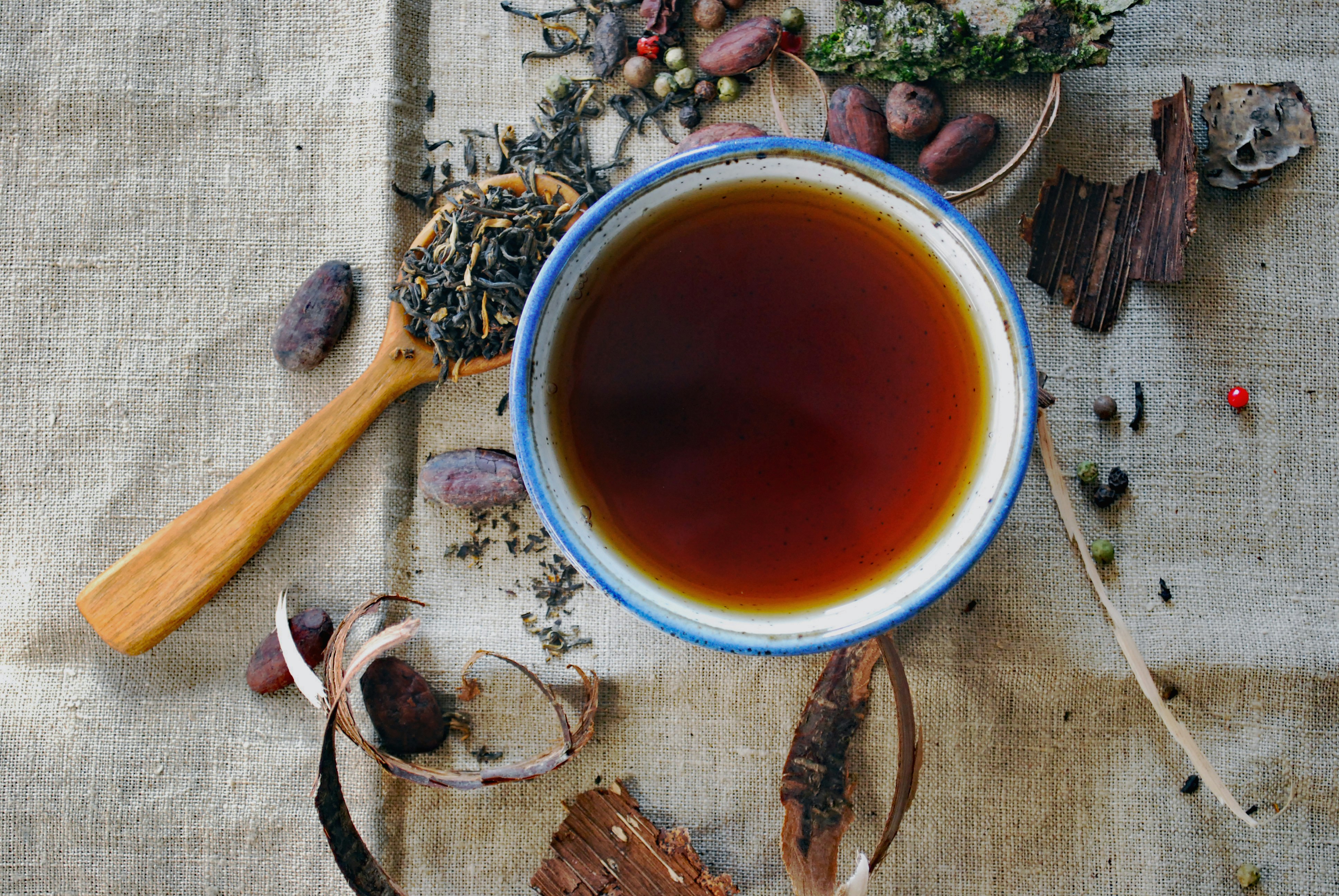
One practical way to enhance catechin intake is through the consumption of green tea. Studies suggest that brewing green tea at lower temperatures for a longer duration can increase catechin extraction. Therefore, a simple daily routine could involve preparing a cup of green tea using water heated to around 160-180°F (71-82°C) and steeping it for 3-5 minutes. For a refreshing twist, consider preparing a chilled matcha tea by whisking matcha powder into cold water, which provides an excellent source of catechins.
Additionally, incorporating cocoa into meals can significantly boost catechin consumption. Dark chocolate, particularly those with a cocoa content of 70% or higher, is a delightful way to indulge while reaping health benefits. Consider using cocoa powder in smoothies or oatmeal, or even as an ingredient in energy bites mixed with nuts and dried fruits. These recipes not only enhance the nutritional profile of meals but also ensure a satisfying taste experience.
To facilitate optimal catechin intake, aim for a balanced approach by incorporating at least one serving of tea or cocoa daily. Drinking two to three cups of green tea or consuming a moderate amount of dark chocolate can help you achieve the benefits associated with catechin consumption. Ultimately, experimenting with different recipes and preparation methods can contribute to a nutritious diet, further promoting the incorporation of these beneficial polyphenols.
Interpreting Polyphenol Studies: A Mini-Guide
Understanding the findings from polyphenol studies, particularly those focusing on catechin, requires a systematic approach. The first step is to assess the study design. There are various types of studies, including randomized controlled trials, observational studies, and meta-analyses. A well-conducted randomized controlled trial typically offers the most robust evidence, as it minimizes biases and confounding variables. In contrast, observational studies may indicate correlations but do not prove causation.
Next, one must grasp the concept of statistical significance. This is often reported as a p-value, where values below 0.05 generally indicate that the results are statistically significant. However, statistical significance does not always imply practical significance. Therefore, it is crucial to consider the actual effect size, which provides insight into how meaningful the findings are in a real-world context.
Another critical consideration is the difference between in vitro and in vivo studies. In vitro studies are conducted in controlled laboratory settings and often use cell cultures or tissues. While they can reveal mechanisms of action and potential effects, they may not fully mimic how catechins behave in a living organism. In vivo studies involve the entire organism, offering a more holistic view of how polyphenols like catechin exert their effects. Thus, when evaluating the health claims surrounding catechin, it’s important to distinguish which type of study has been conducted.
Ultimately, developing a critical lens toward polyphenol research, such as that surrounding catechin, empowers individuals to make informed health decisions. By analyzing study designs, understanding statistical interpretations, and differentiating research methodologies, one can evaluate claims regarding the health benefits of catechin and other polyphenols effectively.
Conclusion and Future Perspectives
Catechin serves as a vital component in understanding the health benefits associated with tea and cocoa, both of which are rich in polyphenols. The ongoing research surrounding catechins reveals their potential to improve cardiovascular health, enhance metabolic processes, and contribute to overall well-being. These findings underscore the significance of catechin not just as a mere antioxidant, but as a foundational element that can influence various physiological processes.
The implications of catechin research extend beyond isolated studies, urging us to consider the broader nutritional context in which these polyphenols exist. Whole foods, like green tea and dark chocolate, exhibit a complex interplay of nutrients that work synergistically, which is often overlooked in favor of focusing solely on individual compounds. This holistic approach fosters a better understanding of how catechins and their derivatives fit into our diet, emphasizing their role in promoting health rather than merely emphasizing their isolated health claims.
Future research must delve deeper into the diverse effects of catechin, analyzing how factors such as preparation methods and food pairings may alter its bioavailability and efficacy. Additionally, exploring the relationship between catechin consumption and its impact on various demographic groups, including different age cohorts and dietary patterns, could provide valuable insights. Understanding these relationships may refine dietary guidelines and recommendations, leading to improved public health outcomes.
In conclusion, the study of catechin in the context of tea and cocoa represents a promising pathway to unpacking the complex narratives surrounding polyphenols. As we expand our research horizons, we can better appreciate the nuanced effects of whole foods on human health and nutrition, ultimately enhancing our collective wellness through informed dietary choices.