Understanding Glycation: The Invisible Aging Process
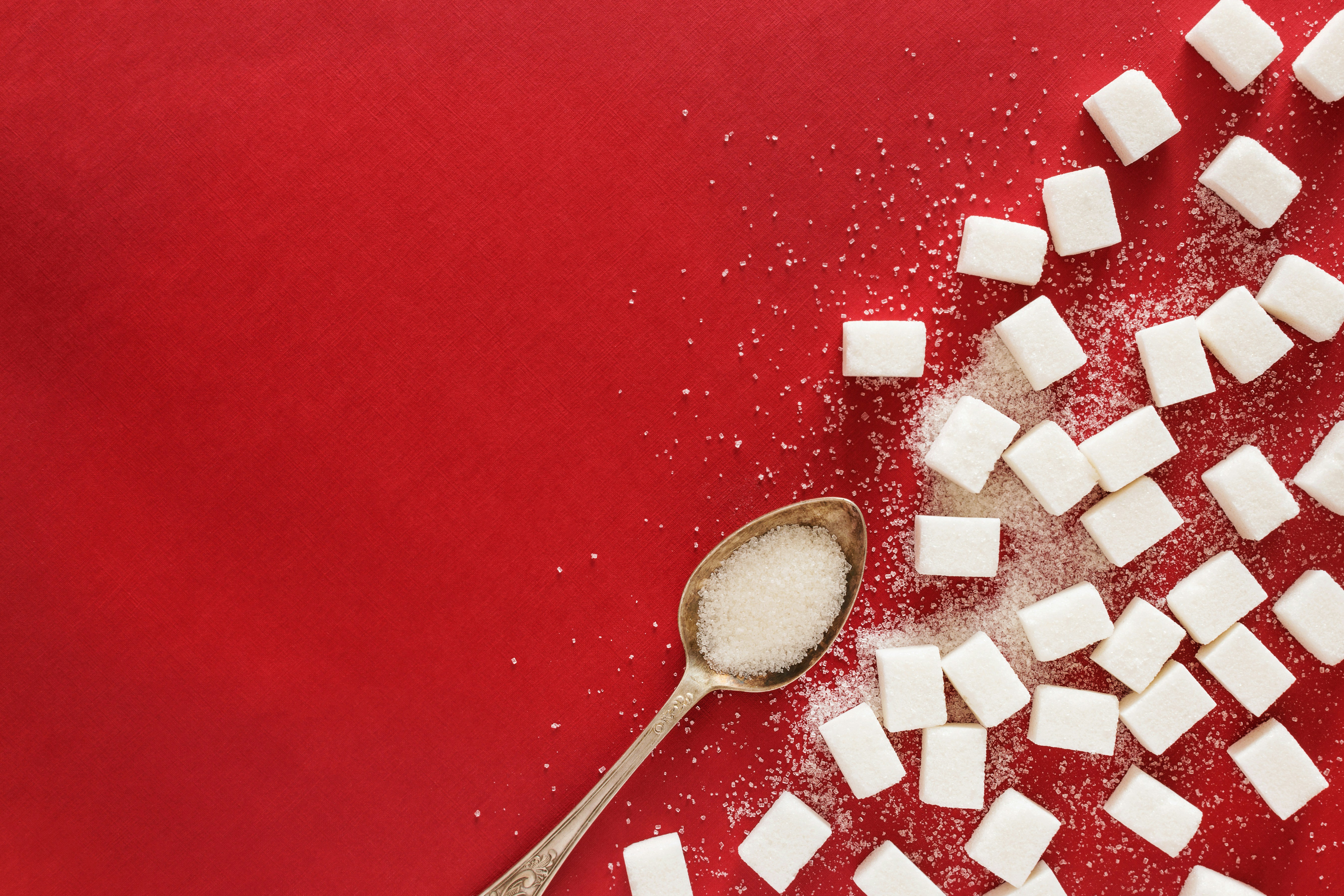
Glycation is a complex biological process crucial to understanding how sugar consumption can negatively impact skin health and contribute to the overall aging process. This occurs when sugar molecules, such as glucose and fructose, bind to proteins and lipids in the body without the control of enzymes, resulting in the formation of harmful compounds known as advanced glycation end-products (AGEs). These AGEs are detrimental as they disrupt the normal functioning of proteins, leading to structural and functional alterations.
The ramifications of glycation are particularly evident in the skin, which is highly susceptible to these harmful effects. When AGEs develop in skin proteins like collagen and elastin, they alter the skin’s texture and elasticity, contributing to signs of aging such as wrinkles and sagging. Unlike other aging processes, such as oxidative stress, glycation operates through a different mechanism, emphasizing the unique role that dietary sugars can play in affecting skin vitality and overall bodily health. Importantly, glycation is exacerbated by a diet high in processed sugars and carbohydrates, making it pivotal for individuals to assess and modify their dietary habits to mitigate the effects of this process.
Moreover, AGEs not only affect the skin but can also contribute to age-related diseases, highlighting their significance in the broader context of health. The accumulation of these compounds has been associated with various chronic conditions, including diabetes and cardiovascular diseases. Understanding the intricate relationship between glycation and aging can empower individuals to make informed choices regarding their health, particularly in relation to sugar intake. As research continues to uncover the mechanisms behind glycation, it becomes increasingly clear that this invisible process plays a critical role in the aging journey.
The Link Between Excess Sugar and Aging
Numerous research studies have highlighted a significant correlation between high sugar intake and accelerated aging at the cellular level. One of the primary mechanisms at play is glycation, a process where excess sugar molecules bind to proteins, causing them to become stiff and malformed. This altered structure disrupts the normal functioning of collagen and elastin—two essential proteins responsible for maintaining skin elasticity. As a result, the skin may begin to exhibit signs of aging, including reduced elasticity, increased wrinkles, and an overall dull appearance.
Moreover, the effects of glycation extend beyond structural changes; the process is also linked to greater oxidative stress. When sugars in the bloodstream react with proteins, they produce advanced glycation end-products (AGEs). These AGEs not only damage skin cells but also instigate chronic inflammation, which is another significant contributor to skin aging. Research indicates that high levels of AGEs can exacerbate the aging process of skin, leading to a loss of radiance and youthfulness.
In addition to glycation, excess sugar consumption can trigger a cascade of metabolic disruptions. High sugar diets are often associated with insulin resistance, which can further impact skin health. Insulin resistance may lead to an increase in oil production in the skin, contributing to acne and other skin blemishes. Furthermore, the inflammation caused by high sugar levels can aggravate conditions such as rosacea and psoriasis, demonstrating the multifaceted relationship between sugar and skin health.
Considering these findings, it is essential to recognize the impact of diet on aging. Reducing sugar intake can not only help mitigate skin aging but also promote overall health. Therefore, understanding the link between excess sugar and aging is crucial for anyone aiming to maintain youthful, healthy skin over time.
How Glycation Affects Skin Health
Glycation is a biochemical process that occurs when sugar molecules bond with proteins, forming advanced glycation end products (AGEs) that have various detrimental effects on skin health. The accumulation of AGEs in the skin can significantly weaken the skin barrier, which is vital for maintaining hydration and protecting against environmental aggressors. A compromised skin barrier often leads to increased dryness, irritation, and reduced overall resilience, making the skin more susceptible to aging signs.
Furthermore, glycation has been shown to promote the breakdown of essential structural proteins such as collagen and elastin. Collagen is crucial for skin’s firmness and elasticity, while elastin provides the skin with the ability to stretch and bounce back. The formation of AGEs disrupts the normal function of these proteins, leading to a loss of tensile strength and suppleness. This process can contribute to the development of fine lines, wrinkles, and sagging skin, common indicators of aging.
In addition to affecting skin structure, glycation can also lead to an uneven skin tone and texture. The presence of AGEs can cause inflammation, which may exacerbate skin conditions such as pigmentation disorders or acne scarring. Visual evidence reinforces the severity of glycation’s impact; studies have shown that individuals with higher levels of AGEs in their skin exhibit visibly more pronounced signs of aging. For instance, according to research, those with elevated AGEs often have a dull complexion and rough texture compared to their counterparts with lower AGE levels.
In summary, the deleterious effects of glycation on skin health emphasize the importance of maintaining balanced blood sugar levels and reducing sugar intake. By doing so, one can mitigate the formation of AGEs and promote healthier, more youthful-looking skin.
Signs of Glycation on Your Skin: What to Look For
The process of glycation, which occurs when sugar molecules bond with proteins in the skin, can lead to noticeable signs of aging. Understanding these signs is key for individuals looking to maintain healthy, youthful skin. One of the most prominent indicators of glycation damage is skin dullness. Over time, the accumulation of advanced glycation end products (AGEs) can hinder the skin’s natural radiance, leading to a lackluster appearance. This dullness is often accompanied by a loss of firmness and elasticity, as glycation damages collagen and elastin, the proteins responsible for skin structure and resilience.
Sagging skin is another critical sign of glycation. The once taut and plump texture may begin to give way, leading to noticeable drooping, particularly around the cheeks and jawline. This sagging effect can be attributed to the breakdown of the supportive proteins, driven by the harmful impact of sugars. Moreover, pigmentation changes can also signal glycation-related aging. Individuals may observe irregular skin tone or dark spots, which result from the interplay between glycation and inflammation, further exacerbating an uneven complexion.
Additionally, fine lines and wrinkles may start to emerge as the skin undergoes these transformations. The natural aging process becomes amplified with glycation, as the skin struggles to repair itself due to compromised proteins. Distinguishing these signs early empowers individuals to take subsequent action. Recognizing the physical manifestations of glycation emphasizes the importance of skin care practices that focus on preventing further damage. By being vigilant and proactive, individuals can address these early indicators of glycation, effectively working toward healthier, more resilient skin.
Practical Ways to Reduce Sugar Intake
Reducing sugar intake is essential for maintaining overall health and supporting skin vitality as we age. One of the most effective ways to begin this process is by developing a habit of reading food labels. Many packaged foods contain added sugars, often listed under various names such as high-fructose corn syrup, cane sugar, or agave nectar. By familiarizing yourself with these terminologies, you can make informed decisions and avoid products that are high in sugars.
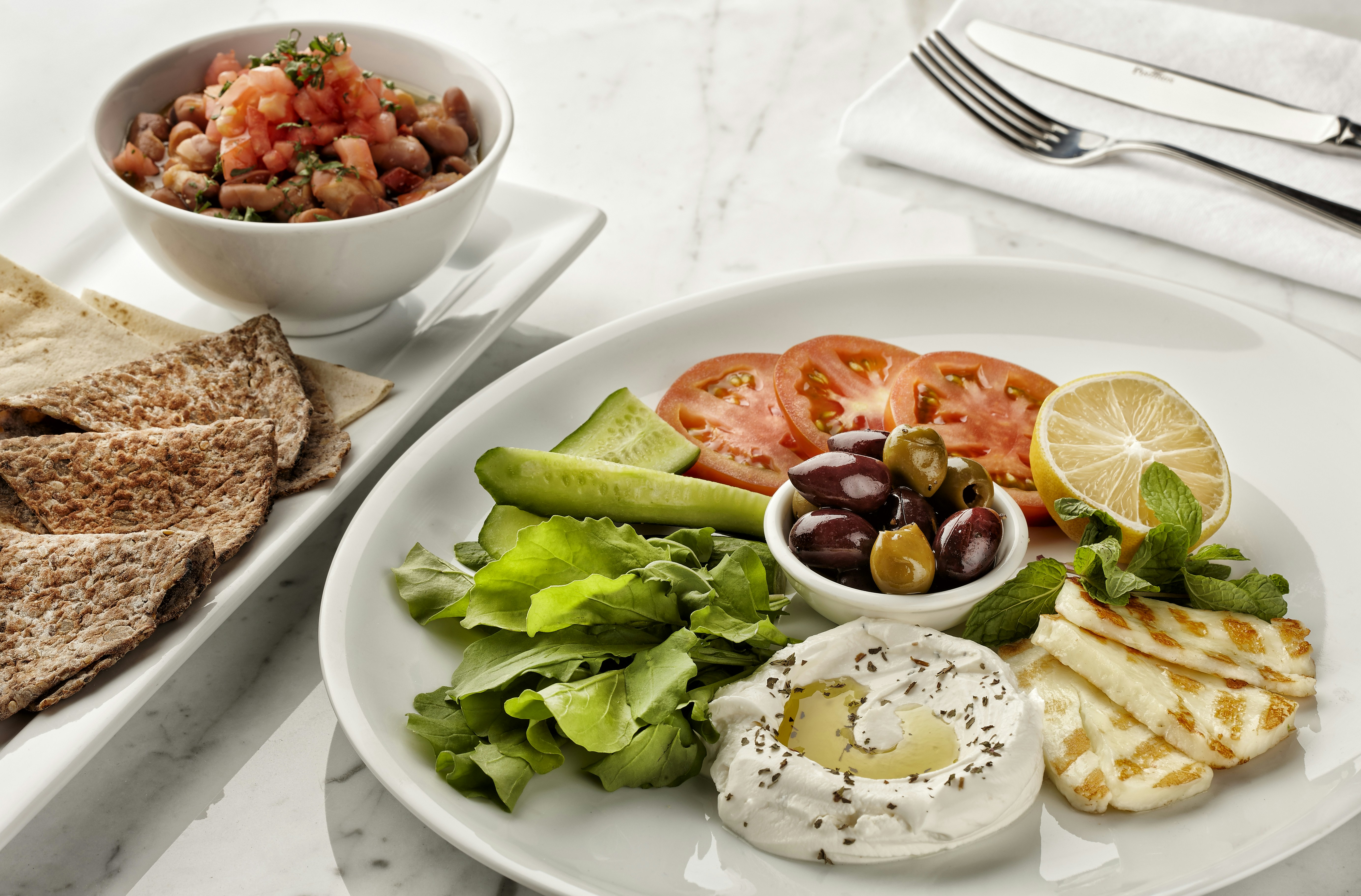
In addition to scrutinizing labels, understanding hidden sugars in common foods is vital. For instance, sauces, dressings, and even whole grain products frequently contain added sugars. By being aware of these sneaky ingredients, you can significantly cut down on your daily sugar intake. Opting for whole, unprocessed foods—such as fruits, vegetables, whole grains, and legumes—can help provide natural sweetness and nutritional benefits without the drawbacks of excessive added sugar.
Another practical step is to make healthier food choices during snacking. Instead of reaching for sugary snacks like candy bars or pastries, consider alternatives like nuts, yogurt, or fruit. This shift not only reduces sugar consumption but also promotes greater satiety and energy stability throughout the day. Prepare your snacks in advance to avoid temptation and ensure you have satisfying options on hand when cravings arise.
Lastly, exploring sugar alternatives can also contribute to lowering sugar intake without compromising flavor. Natural sweeteners like stevia or monk fruit can provide sweetness while being significantly lower in calories. Experimentation with spices, such as cinnamon or vanilla, can enhance flavors in your food and beverages, making it easier to reduce sugar without sacrifice. By adopting these strategies, you can effectively curb your sugar consumption, contributing positively to your skin health and overall well-being.
Antioxidants and Their Role in Reversing Glycation Effects
Antioxidants play a crucial role in combating the adverse effects of glycation on skin health. Glycation is a process in which sugars bind to proteins, leading to the formation of advanced glycation end products (AGEs), which can contribute to skin aging. Antioxidants help to neutralize free radicals caused by oxidative stress, thereby reducing the overall damage inflicted on skin cells by AGEs.
There are numerous antioxidants found in both dietary sources and skincare products that can efficiently combat the negative implications of glycation. For instance, vitamin C is known for its powerful antioxidant properties and its ability to rejuvenate the skin by promoting collagen synthesis. Foods such as oranges, strawberries, and kiwis are excellent sources of vitamin C and can be easily incorporated into a daily diet.
Another significant antioxidant, vitamin E, protects cell membranes from oxidative damage and supports skin health. This vitamin can be sourced from nuts, seeds, and green leafy vegetables, providing a dietary approach to mitigate oxidative stress. Additionally, topical applications of vitamin E may enhance skin moisture and prevent the formation of wrinkles associated with advanced glycation.
Polyphenols, found in foods like green tea, dark chocolate, and berries, are another group of effective antioxidants known to possess anti-inflammatory properties and protect skin health. Supplementing one’s diet with these antioxidant-rich foods can play a significant role in reducing the oxidative damage caused by AGEs. Furthermore, utilizing skincare products formulated with antioxidants can offer additional protection against the visible signs of aging.
In summary, incorporating antioxidants into both diet and skincare routines can significantly help in reversing the effects of glycation. This dual approach not only enhances skin health but also contributes to overall well-being, highlighting the importance of managing oxidative stress as part of an effective anti-aging strategy.
Hydration and Its Importance for Skin Repair
Hydration plays a crucial role in maintaining skin health and promoting effective repair from glycation damage. Water is not only essential for cellular function but also significantly impacts the skin’s elasticity and appearance. The skin, being the largest organ in the body, requires an adequate supply of moisture to function effectively. When the skin is dehydrated, it becomes less resilient, which can exacerbate the effects of glycation—where sugar molecules bind to proteins, leading to various skin issues, including loss of elasticity and wrinkles.
The relationship between hydration and the skin’s ability to heal cannot be overstated. Proper hydration facilitates the transportation of nutrients to skin cells and supports the removal of waste products. This process is essential for maintaining healthy cellular function. Water also serves to regulate body temperature and improve circulation, both of which are vital for skin health. When the skin is well-hydrated, it can absorb topical nutrients more effectively and exhibit improved texture and tone.
To promote optimal hydration, individuals should aim to drink sufficient water throughout the day. A general guideline is to consume at least eight 8-ounce glasses of water, but individual needs may vary based on factors such as age, activity level, and climate. Additionally, incorporating water-rich foods into one’s diet—such as fruits and vegetables—can further enhance hydration levels. Moisturizers that contain humectants, which draw moisture from the environment into the skin, can also support hydration efforts. It is important to choose products that suit one’s skin type to achieve the best results.
In conclusion, prioritizing hydration is essential for skin repair and overall health. By ensuring adequate water intake and employing effective hydration practices, individuals can enhance their skin’s resilience against the damaging effects of glycation.
Skincare Products That Help Combat Glycation
Glycation is a process that adversely affects skin health, leading to premature aging and loss of elasticity. Thankfully, there are several effective skincare products that can mitigate these effects and help maintain a youthful appearance. Key ingredients known to combat glycation include hyaluronic acid, vitamins C and E, and various peptides, each contributing uniquely to skin resilience.
Hyaluronic acid is a powerful humectant that attracts moisture to the skin, promoting hydration and elasticity. This ingredient is essential in fighting the signs of aging, as hydrated skin appears plumper and more radiant. Several serums and moisturizers enriched with hyaluronic acid can offer significant benefits, making them a vital addition to a daily skincare routine.
Another potent contributor to skin health is vitamin C. Known for its antioxidant properties, vitamin C plays a crucial role in protecting the skin from free radicals and oxidative stress caused by glycation. Moreover, this vitamin aids in the synthesis of collagen, which is essential for maintaining skin firmness and reducing the appearance of fine lines. Many skincare brands offer vitamin C serums and brightening creams that harness these advantages, ensuring the skin remains luminous and youthful.
Vitamin E is another essential antioxidant that works synergistically with vitamin C to enhance skin protection. It helps to repair damaged skin cells and supports overall skin health, making it a valuable component in anti-aging products. Peptide-infused formulas are also highly recommended for their ability to stimulate collagen production, thereby improving skin texture and resilience.
Incorporating products that feature these ingredients can significantly mitigate the effects of glycation on the skin. Combining hyaluronic acid, vitamins C and E, and peptides in your skincare regimen will not only address existing signs of aging but also help in preventing future damage, promoting a healthier, more vibrant complexion.
The Importance of a Holistic Approach to Aging
Aging is a complex biological process that impacts various aspects of our physical and mental health, including skin vitality and appearance. To effectively manage the aging process, it is essential to adopt a holistic approach that encompasses multiple lifestyle factors. Central to this approach is the recognition of how dietary choices, particularly sugar intake, can influence skin health and overall wellness. Glycation, a process where sugar molecules bond to proteins, results in the formation of advanced glycation end-products (AGEs) that can adversely affect skin elasticity and texture. Therefore, reducing sugar consumption can play a crucial role in preserving skin youthfulness.
In addition to managing sugar intake, hydration is another critical component of maintaining healthy skin as we age. Water acts as a fundamental building block of cells and helps maintain skin turgidity, ensuring that it remains plump and resilient. Adequate hydration supports the effective functioning of our body’s systems and helps mitigate signs of dehydration, such as fine lines and sagging skin.
Moreover, a consistent skincare regimen enhances the efforts made through diet and hydration. Incorporating high-quality moisturizers, antioxidants, and sunscreen into daily routines can protect the skin from environmental stressors and oxidation. These elements work synergistically with dietary choices, creating a fortified barrier against the aging process. Engaging in regular physical activity also contributes to improved circulation, which delivers essential nutrients to the skin, further promoting a youthful complexion.
Ultimately, a holistic approach to aging transcends merely addressing one avenue, such as sugar intake or skincare. Emphasizing the interconnectedness of diet, hydration, skincare, and lifestyle habits can empower individuals to make informed decisions that contribute to overall wellness. By adopting these integrated strategies, readers can cultivate an environment conducive to healthier aging and vibrant skin.