Introduction: The Sweet Science Behind Cocoa Flavanols
Cocoa flavanols, particularly epicatechin, have garnered significant interest in both scientific research and popular health discourse. These bioactive compounds, found abundantly in cocoa products such as dark chocolate and cocoa powder, are renowned for their potential health benefits. Among these, their role in enhancing athletic performance and promoting heart health has made them a focal point of numerous studies.
Epicatechin, a flavanol present in cocoa, is notable not only for its antioxidant properties but also for its capacity to improve blood flow and lower blood pressure. This particular compound influences nitric oxide levels in the body, which is critical for vascular function. By dilating blood vessels, epicatechin can enhance oxygen delivery to muscle tissues during physical exertion, potentially improving endurance and performance for athletes. Hence, understanding the implications of cocoa flavanols like epicatechin can be essential for individuals engaged in regular sports or fitness activities.
Moreover, research has indicated that these flavanols may contribute to cardiovascular health by reducing the risk factors associated with heart disease. The ability of cocoa flavanols to lower LDL cholesterol levels and reduce inflammation showcases their significance in creating a diet conducive to heart health. This connection illustrates why it is important to delve deeper into the science behind cocoa flavanols and their potential applications in health and fitness sectors.
As we explore the underlying mechanisms and benefits of these compounds, it is crucial to gain a comprehensive understanding of how their properties may affect not just athletic performance but overall well-being. This foundational knowledge sets the stage for further discussion on cocoa flavanols, specifically focusing on epicatechin and its role in our health.
What Are Cocoa Flavanols? A Brief Overview
Cocoa flavanols are a group of bioactive compounds found primarily in cocoa beans, which are integral to the production of chocolate and various cocoa products. One of the most significant flavanols identified in cocoa is epicatechin, a potent antioxidant that contributes to the health-promoting properties of cocoa. These flavanols are naturally occurring and play a crucial role in the development of cocoa’s flavor, color, and overall quality.
Flavanols, including epicatechin, are categorized as flavonoids, a subclass of polyphenols recognized for their beneficial effects on human health. They are abundant in various plant-based foods, but cocoa is one of the richest sources. The concentration of cocoa flavanols can vary significantly depending on the type of cocoa processing and the product’s final form. Minimal processing techniques help retain these compounds, thus enhancing the health benefits associated with cocoa consumption.
The importance of cocoa flavanols, particularly epicatechin, lies in their role in supporting cardiovascular health, improving blood circulation, and enhancing cognitive function. Research indicates that these compounds can help improve endothelial function, which is vital for maintaining healthy blood vessels. Furthermore, they possess anti-inflammatory properties and may aid in reducing blood pressure, contributing to overall heart health.
In the realm of sports nutrition and performance enhancement, cocoa flavanols and epicatechin are gaining traction due to their ability to improve exercise performance. By increasing nitric oxide production, flavanols can promote better blood flow to muscles, facilitating more efficient oxygen and nutrient delivery during physical exertion. As such, incorporating cocoa products rich in flavanols into one’s diet can provide a natural boost to physical performance and overall health.
The Recurring Theme: Endothelial Function and Blood Flow
To effectively understand endothelial function’s impact on blood flow, one can liken blood vessels to flexible garden hoses. Just as a well-maintained hose can easily deliver water to plants, allowing them to flourish, healthy blood vessels facilitate efficient blood flow throughout the body, supporting various physiological processes. When the endothelium—the thin layer of cells lining the blood vessels—functions optimally, it ensures these hoses remain flexible, allowing for increased blood flow and nutrient delivery.
Cocoa flavanols, a naturally occurring group of polyphenols found in cocoa products, have been studied for their positive effects on vascular health. These compounds enhance endothelial function, thereby boosting the ability of blood vessels to expand and contract as needed, akin to a garden hose that expands with water pressure and contracts when emptied. Improved endothelial function helps to regulate blood flow effectively, enabling better oxygen and nutrient delivery to various tissues, which is critical during both rest and physical activity.
The consumption of cocoa flavanols has been identified as an effective means of enhancing endothelial function. Studies suggest that these flavanols stimulate the production of nitric oxide, a vital molecule that promotes vasodilation—the process by which blood vessels widen. By incorporating cocoa-rich foods into one’s diet, individuals can experience improved flexibility in their “garden hoses,” ultimately leading to enhanced vascular health, improved athletic performance, and better recovery post-exercise.
In a world where cardiovascular health is paramount, leveraging the benefits of cocoa flavanols can serve as a pivotal strategy for individuals aiming to optimize their vascular function and overall well-being. Hence, a simple inclusion of cocoa products in daily dietary habits may yield significant health benefits.
Human Studies: What Do the Findings Reveal?
Cocoa flavanols, particularly the compound epicatechin, have become a focal point of research regarding their potential benefits on cardiovascular health and vascular markers in humans. Several studies have demonstrated that cocoa flavanols can lead to modest improvements in vascular function. For instance, controlled trials indicated that daily consumption of flavanol-rich cocoa may enhance endothelial function, which is crucial for maintaining the health of blood vessels.
In one notable study, participants who ingested a cocoa flavanol supplement showed a significant increase in flow-mediated dilation (FMD), a marker of vascular health, compared to those who received a placebo. However, the size of the improvement varied significantly among individuals, which points to the variability in response to cocoa intake based on factors such as age, baseline cardiovascular health, and genetic predispositions.
Furthermore, some studies highlighted a potential dose-dependent relationship, wherein higher doses of cocoa flavanols resulted in enhanced vascular benefits. Participants consuming 500 mg of cocoa flavanols daily exhibited more pronounced improvements in arterial stiffness and blood pressure compared to those on lower doses. This underscores the importance of dosage in evaluating the effectiveness of cocoa flavanols on vascular health.
Nonetheless, the findings across various human studies have not always been consistent. While many report beneficial effects of cocoa flavanols, others indicate negligible or no significant changes in vascular markers. Such discrepancies may arise from differences in study designs, population demographics, and the specific cocoa products used in each trial.
Overall, the evidence suggests that cocoa flavanols, particularly epicatechin, can offer measurable enhancements in vascular health, albeit with varying degrees of effectiveness among individuals. This underscores the need for further investigations to delineate the factors influencing the outcomes of cocoa flavanol consumption.
Factors Influencing Efficacy: Product Quality and Flavanol Content
The effectiveness of cocoa flavanols, particularly epicatechin, in delivering health benefits is significantly influenced by the quality of cocoa products and their flavanol content. Cocoa flavanols are bioactive compounds that contribute to various physiological effects, such as improving cardiovascular health and enhancing cognitive function. However, the levels of these beneficial compounds can vary widely between different cocoa products.
Product quality refers to the methods employed in harvesting, processing, and storing cocoa beans. High-quality cocoa often undergoes less intensive processing. For instance, natural fermentation and drying methods help preserve the flavanol content, whereas over-processing—such as high-heat treatment and alkalization—can lead to a reduction in these beneficial compounds. This discrepancy in processing techniques plays a critical role in determining the final flavanol concentration found in cocoa products.
Flavanol content can also vary according to the type of cocoa bean used. For example, Criollo beans are known for their rich flavanol profile compared to Forastero beans, which are more commonly used but typically possess lower flavanol levels. Furthermore, it is essential for consumers to scrutinize the product labels, as many cocoa products may boast health claims without providing transparent information about flavanol content.
It is critical to understand the relationship between product quality and health efficacy, especially when interpreting research studies. Studies that utilize high-quality cocoa products with substantial flavanol content often report more pronounced health benefits. Conversely, studies based on low-quality or substandard products might yield inconclusive results. Thus, when seeking to harness the benefits of cocoa flavanols, both consumers and researchers alike must consider the product quality and flavanol concentration to ensure that they maximize the potential health benefits associated with these compounds.
Practical Tips for Choosing High-Quality Cocoa Sources
When selecting cocoa products, several key indicators can help ensure you choose high-quality sources rich in cocoa flavanols and epicatechin. The first step is to examine the product label carefully. Look for terms such as “cocoa extract,” “dark chocolate,” or “cocoa powder” with a high cocoa percentage. Ideally, the cocoa content should be at least 70% to maximize flavanol intake.
Next, pay close attention to the flavanol content, which can vary significantly among different products. Many brands now provide specific information regarding the flavanol content on their packaging. A product that maintains transparency about its flavanol levels is often more trustworthy. If this information is not readily available, it can be beneficial to do some preliminary research on the brand to determine its reputation for producing high-quality cocoa products.
Additionally, consider the processing methods used in cocoa production. Some methods can significantly reduce the flavanol content. For instance, Dutch-processing—a technique that alkalizes cocoa—often diminishes flavanol levels. Opt for products labeled as “natural” or “unprocessed,” as these typically retain a higher concentration of beneficial compounds.
Furthermore, purchasing from reputable brands known for their commitment to quality is essential. Investigate brands that prioritize sustainable sourcing and rigorous testing of their products. Consumer reviews can also provide insights into the quality of the cocoa products and the experiences of other buyers.
Lastly, keep an eye out for certifications. Products that are organic or have certifications from recognized quality assurance organizations often indicate higher quality and ethical sourcing practices. By employing these practices, consumers can better identify high-quality cocoa sources that enhance their health and well-being.
Navigating Sugar Traps: The Sweetness Dilemma
The consumption of added sugars in chocolate and cocoa products presents a significant concern for health-conscious individuals. While cocoa flavanols and epicatechin, naturally occurring compounds found within cocoa, offer various health benefits, the presence of added sugars can counteract these positive effects. Excessive sugar intake has been linked to numerous health conditions, including obesity, diabetes, and cardiovascular diseases. Thus, it becomes essential to navigate the sugar traps often hidden in seemingly healthy cocoa products.
When choosing chocolate or cocoa products, it is crucial to examine the ingredient list closely. Many processed chocolates contain high levels of added sugars, which can overshadow the benefits provided by cocoa flavanols and epicatechin. To enjoy cocoa’s health properties while minimizing sugar consumption, opt for products that specify high cocoa content, ideally 70% or more. Dark chocolate varieties typically contain less sugar than their milk chocolate counterparts, making them a preferable choice.
Furthermore, consumers should be aware of the various terms associated with sugar on product labels. Ingredients such as cane sugar, high fructose corn syrup, and other sweetening agents may contribute to overall sugar content, even in foods that are branded as healthy. To avoid falling into sugar traps, it is advisable to seek out unsweetened cocoa powder or chocolate with natural sweeteners, which can provide a balance between enjoying sweetness and reaping the benefits of flavanols.
Incorporating cocoa into a well-rounded diet means enjoying it mindfully. Combining cocoa products with fiber-rich foods such as fruits or whole grains can further enhance health outcomes while reducing blood sugar spikes. By making informed choices about cocoa products and remaining vigilant about added sugars, it is possible to indulge in the taste of chocolate without compromising health.
Real-Life Application: Integrating Cocoa Flavanols into Your Routine
Incorporating cocoa flavanols into a daily diet presents a valuable opportunity for athletes and health-conscious individuals to benefit from their performance-enhancing properties. A variety of methods exist that can help seamlessly introduce these compounds into one’s routine, ensuring both enjoyment and health benefits.
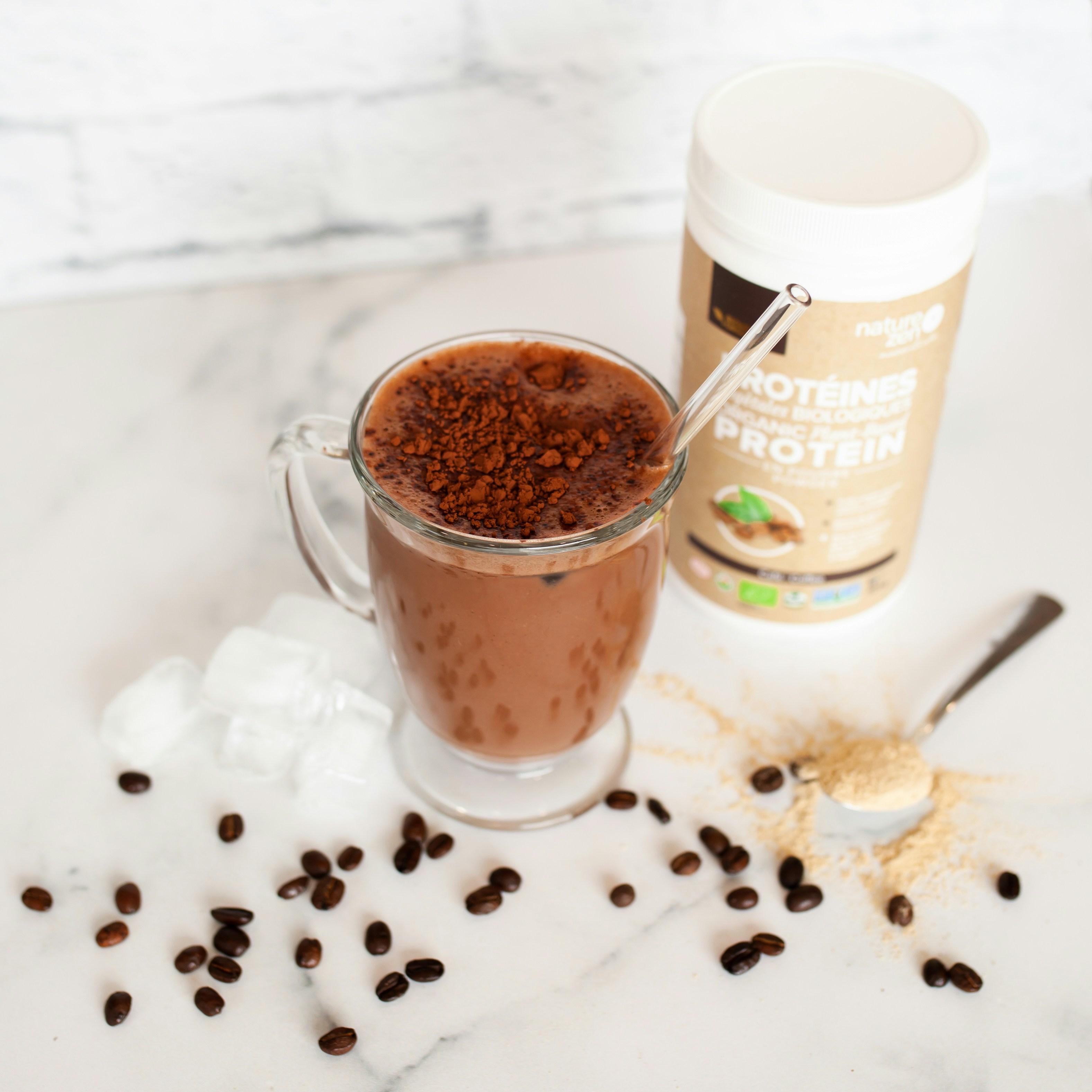
One of the simplest ways to start is by consuming dark chocolate. Aim for products that contain at least 70% cocoa to maximize flavanol intake. A small portion can be enjoyed as a snack or as a satisfying post-workout treat. For those who prefer a sweeter start to the day, adding cocoa powder to morning smoothies can provide an excellent flavor boost while enriching your drink with beneficial flavanols.
Moreover, baking with cocoa powder opens up additional culinary possibilities. Consider preparing healthy muffins or energy bars that include ingredients like oats, nuts, and seeds alongside cocoa. These recipes not only accommodate a higher intake of cocoa flavanols but also enhance the nutritional profile of your snacks.
For everyday hydration, integrating cocoa into beverages like warm cocoa drinks or even chocolate-infused teas can yield beneficial results. Preparing these drinks with minimal added sugars can help control calorie intake while still enjoying the rich flavors. Look for recipes that emphasize natural sweeteners, which help maintain the integrity of the health benefits.
Additionally, consider supplementing your diet with cocoa flavanol capsules or powders if direct food sources are not feasible. These concentrated options often contain higher levels of epicatechin, making them convenient for those on-the-go.
In summary, by incorporating cocoa flavanols into a variety of meals and snacks, individuals can not only enjoy diverse culinary experiences but also harness their potential benefits to support overall health and athletic performance.
Conclusion: Harnessing the Power of Epicatechin for Optimal Health and Performance
In recent years, there has been a growing awareness of the importance of dietary components such as cocoa flavanols and epicatechin in promoting overall health and enhancing athletic performance. Research indicates that these compounds can profoundly influence cardiovascular health. By improving blood flow and contributing to the flexibility of blood vessels, cocoa flavanols play a significant role in supporting heart health, which is essential not only for daily activities but also for optimal athletic performance.
Epicatechin, a notable flavanol found in cocoa, has demonstrated a capacity to aid muscle function and increase stamina. Studies suggest that epicatechin may enhance nitric oxide production in the body, which is crucial for better circulation and oxygen delivery to muscles during exercise. Athletes and fitness enthusiasts may find that integrating cocoa flavanol-rich foods into their diet could provide a tangible advantage in their performance goals.
Moreover, the antioxidant properties of these compounds contribute to reducing oxidative stress, further promoting recovery post-exercise and ensuring that the body can perform at its peak potential. This makes the inclusion of cocoa flavanols, and especially epicatechin, a vital consideration for anyone looking to improve their health and athletic capabilities.
In summary, the integration of cocoa flavanols and epicatechin into one’s nutrition plan could lead to significant health benefits, particularly concerning heart health and enhanced performance outcomes. As research continues in this area, the understanding of how these compounds can be harnessed for optimal health and athletic performance will only grow, stressing the importance of making informed dietary choices that align with fitness goals.