Introduction to the Microbiome and Aging
The microbiome refers to the diverse community of microorganisms, including bacteria, viruses, fungi, and archaea, that inhabit the human body, with a significant concentration residing in the gut. These microbes play crucial roles in various bodily functions, including digestion, metabolism, immune response, and even mental health. The gut microbiome is essential for maintaining homeostasis and ensures the body operates optimally, highlighting its importance in overall health.
As individuals age, the composition and diversity of the gut microbiome can change, which can affect various aspects of health and well-being. Research has indicated that a balanced gut ecosystem significantly contributes to longevity. An imbalance in the microbiome, often referred to as dysbiosis, can lead to a range of health issues such as inflammation, obesity, and even age-related diseases, all of which have been linked to accelerated aging processes. Consequently, understanding how gut health influences aging becomes increasingly relevant in age management strategies.
Various factors, including diet, lifestyle, environment, and antibiotic usage, can impact the microbiome’s composition. For instance, a diet high in fiber can promote a diverse and healthy gut microbiota, while a diet rich in processed foods can lead to dysbiosis and associated health issues. Similarly, lifestyle choices such as smoking and physical inactivity can adversely affect microbiome diversity. With age, the sensitivity to these factors can also increase, making it imperative to maintain gut health to support longevity.
In essence, the microflora that reside within our digestive systems play a critical role in determining our health as we age. By fostering an understanding of the microbiome and its connection to gut health, we can explore the pathways that may enhance healthspan and lifespan. This exploration opens doors to new interventions in the realm of aging gracefully and living a healthier life.
Understanding the Gut Ecosystem
The gut microbiome is a diverse community of microorganisms that reside within the human gastrointestinal tract. This intricate ecosystem comprises bacteria, fungi, viruses, and other microbes that coexist harmoniously, performing a variety of essential functions. The composition and balance of these microbial entities are crucial, influencing not only digestive health but also the overall well-being and aging process.
Bacteria are the predominant players in the gut microbiome. They can be classified into beneficial strains, such as Lactobacillus and Bifidobacterium, which contribute to digestion, nutrient absorption, and immune defense. Conversely, harmful bacteria like Clostridium difficile can disrupt this balance, leading to potential health issues. The presence of fungi, such as Saccharomyces boulardii, also enhances gut function by aiding digestion and promoting a healthy gut barrier. Moreover, viruses, particularly bacteriophages, can regulate bacterial populations, thereby maintaining a stable microbial environment.
The interplay among these various microorganisms is vital for creating a balanced gut ecosystem. A diverse microbiome can foster resilience against pathogens and contribute to metabolic processes like fermentation and short-chain fatty acid production. These metabolites play significant roles in regulating inflammation and immune responses, both of which are critical in the aging process. As individuals age, changes within this ecosystem can lead to dysbiosis, characterized by an imbalance that may contribute to age-related health issues such as obesity, diabetes, and gastrointestinal disorders.
Maintaining a balanced gut microbiome is essential for promoting longevity. Strategies that support this equilibrium include a fiber-rich diet, regular physical activity, and the judicious use of probiotics. These measures can positively influence gut health, ultimately benefiting overall health and lifespan.
Gut Health and Immune Function
The intricate relationship between gut health and immune function has gained recognition in recent years, underscoring the role of the gut microbiome as a fundamental component of overall health. A balanced gut microbiome plays a crucial role in supporting the immune system, which is essential for defending the body against infections and diseases, particularly as we age. Research indicates that a diverse microbiome enhances the production of antibodies and activates immune cells, facilitating a robust immune response.
Moreover, a healthy gut microbiome contributes to the regulation of inflammation within the body. Chronic inflammation is often associated with various age-related diseases, including heart disease, diabetes, and certain cancers. By maintaining gut health, we can help mitigate this inflammatory response, thereby reducing the risk of such diseases. Specific beneficial bacteria in the gut can produce short-chain fatty acids (SCFAs) through the fermentation of dietary fibers, which possess anti-inflammatory properties. These SCFAs are essential for maintaining the health of the intestinal barrier as well, which acts as a first line of defense against pathogens.
As we continue to uncover the complexities of the gut microbiome, it becomes evident that maintaining gut health is pivotal for supporting immune function and, consequently, longevity. Prioritizing nutrients that foster a diverse microbiome, such as prebiotics and probiotics, can significantly enhance immune responses, reduce inflammation, and ultimately contribute to a healthier aging process.
The Connection Between Gut Microbiome and Mood
The gut microbiome plays a significant role in regulating not only physical health but also mental well-being. This relationship is primarily mediated through a complex communication network known as the gut-brain axis. Here, the gut and brain are intricately linked, allowing gut health to influence neural function, emotional processing, and mood stability. Research has shown that the microbial composition within the gut can produce various neurotransmitters, including serotonin, which is crucial for mood regulation. It is estimated that about 90% of the body’s serotonin is produced in the gut, highlighting the importance of a balanced microbiome for emotional well-being.
Several studies have identified a correlation between gut bacteria and mood disorders such as anxiety and depression. For instance, individuals with an imbalanced microbiome often exhibit higher levels of stress and negative mood states. Specific strains of probiotics have been shown in clinical settings to alleviate symptoms of anxiety and depression, suggesting that modulating gut flora could serve as an effective intervention for enhancing mood. Furthermore, these beneficial bacteria may also improve cognitive function by reducing inflammation and promoting neurogenesis, thereby impacting overall longevity.
The gut microbiome’s influence extends beyond just neurochemical production; it also affects inflammation and immune responses, both of which are closely linked to mental health. Research indicates that an unhealthy gut can lead to increased systemic inflammation, a factor often involved in the onset of mood disorders. By fostering a healthy gut microbiome through dietary choices, lifestyle changes, and probiotics, individuals may enhance not only their mood but also their long-term cognitive health. Restoring a healthy balance of gut bacteria appears to be paramount in supporting emotional resilience and promoting overall longevity through the sustained functionality of the gut-brain axis.
Impact on Metabolic Health
The gut microbiome plays a pivotal role in regulating metabolism, and its influence extends to various bodily functions, including digestion and nutrient absorption. A diverse and balanced gut microbiome is essential for breaking down complex carbohydrates, proteins, and fats, thereby facilitating the efficient uptake of nutrients. Conversely, an imbalanced microbiome can disrupt these processes, leading to adverse effects on metabolic health. Studies have demonstrated that certain gut bacteria are integral to the metabolism of lipids and carbohydrates, and when these bacteria are diminished or overabundant, it can result in metabolic disorders, such as obesity and insulin resistance.
Moreover, the composition of the gut microbiome can influence systemic inflammation levels. Chronic inflammation is a known precursor to various age-related conditions, including type 2 diabetes and cardiovascular diseases. If the microbiome is out of balance, it can lead to increased intestinal permeability, or “leaky gut,” allowing toxins to enter the bloodstream and trigger inflammatory responses. This inflammatory state not only affects local gut health but can also have far-reaching implications on overall metabolic health, particularly as one ages.
Maintaining a healthy gut microbiome is therefore crucial for longevity. Strategies to promote gut health include a diet rich in fiber, prebiotics, and probiotics, which can help restore balance among the microbial communities. Additionally, regular physical activity and stress management practices are beneficial for sustaining gut health and improving metabolic functions. By recognizing the significant interplay between gut health and metabolism, individuals can take proactive steps to mitigate metabolic disorders and enhance overall well-being as they age.
Probiotics: Nature’s Microbial Allies
Probiotics are defined as live microorganisms that can confer health benefits to the host when administered in adequate amounts. Often referred to as “good” or “friendly” bacteria, probiotics play a crucial role in maintaining gut health and overall well-being. They can be found in various forms, including fermented foods such as yogurt, kefir, sauerkraut, and kombucha, as well as in dietary supplements.
Different strains of probiotics offer varied health benefits, which is essential for tailoring approaches to support individual health needs. For instance, Lactobacillus and Bifidobacterium are two primary genera of probiotics known for their ability to enhance gut flora balance, helping to alleviate digestive issues like diarrhea, constipation, and irritable bowel syndrome. By making the gut environment less hospitable to pathogenic bacteria, these strains can significantly contribute to improved gut health.
Moreover, probiotics have been linked to enhanced immune function. They work by promoting the production of antibodies and stimulating the activity of immune cells such as macrophages and T lymphocytes. Probiotics can also aid in modulating inflammatory responses, thereby supporting the immune system in combating pathogens and reducing the incidence of infections.
Aside from physical health, emerging research suggests that probiotics may positively influence mental health by the gut-brain axis. This bi-directional communication pathway between the gut and the brain indicates that a healthy gut microbiome may alleviate symptoms of stress, anxiety, and depression. Additionally, probiotics are associated with improved metabolic processes, playing a role in weight management and blood sugar regulation.
Overall, incorporating probiotics into one’s diet can promote not only gut health but also enhance immunity, mood, and metabolic processes, supporting a holistic approach to health and longevity.
Prebiotics: Fuel for a Healthy Microbiome
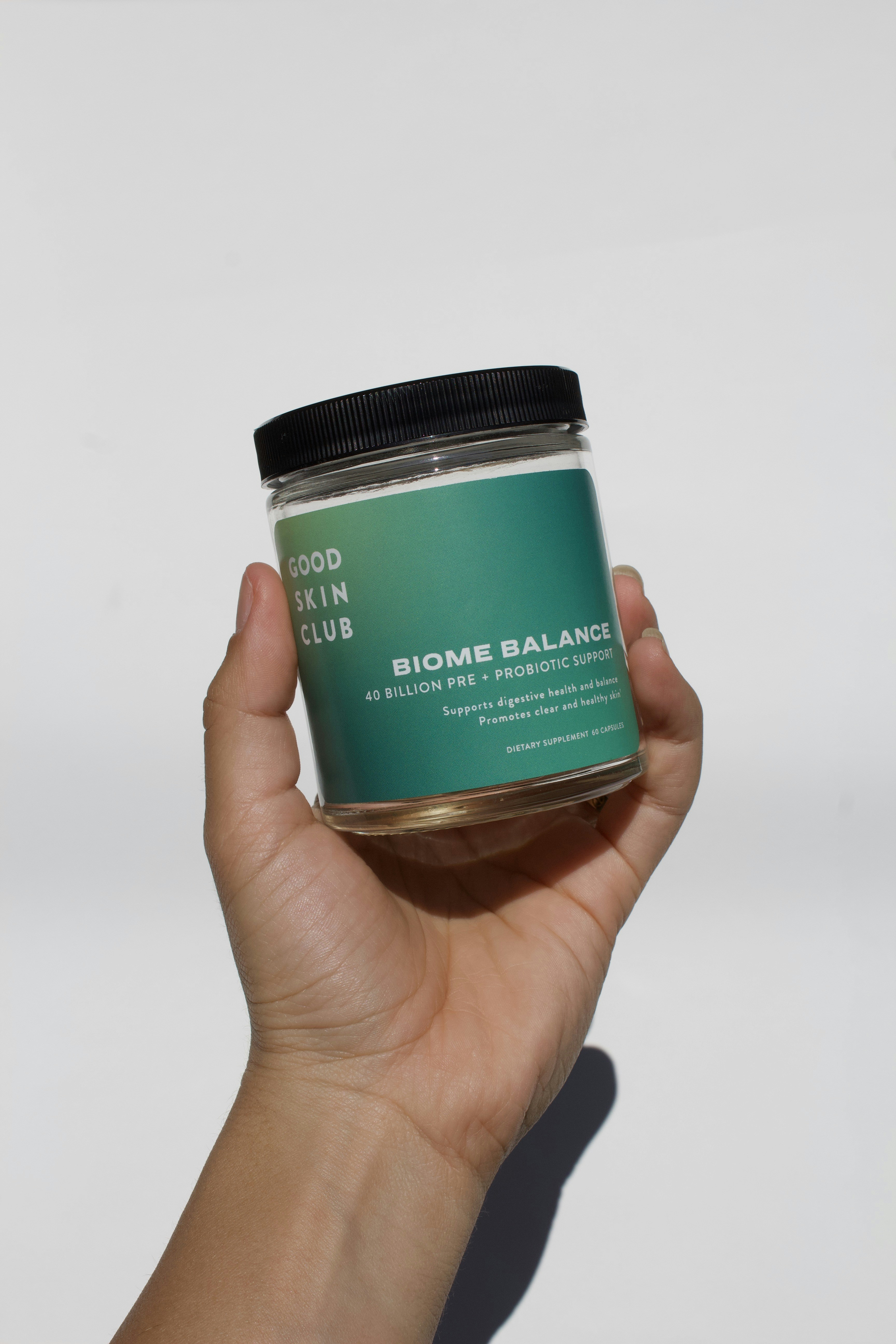
Prebiotics are non-digestible food components that serve as a source of nourishment for beneficial bacteria residing in the gut. These carbohydrates, largely a form of dietary fiber, are not broken down by the digestive system, allowing them to reach the colon intact. In this environment, they stimulate the growth and activity of advantageous microorganisms, particularly probiotics, which are live bacteria that confer health benefits when consumed in sufficient amounts. The interplay between prebiotics and probiotics is essential for maintaining a balanced gut microbiome, which plays a significant role in overall health and longevity.
Incorporating prebiotic-rich foods into the diet is critical for fostering a balanced gut ecosystem. Foods high in prebiotics include garlic, onions, leeks, asparagus, and bananas, particularly when they are slightly underripe. These foods contain fructooligosaccharides (FOS) and inulin, which have been shown to effectively promote the growth of beneficial bacteria. Other noteworthy sources of prebiotics include whole grains such as barley, oats, and wheat, as well as legumes like lentils and chickpeas. Utilizing these ingredients in daily meals can help ensure a steady supply of prebiotics to the gut microbiome.
The consumption of prebiotics not only enhances the growth of beneficial gut bacteria but also contributes to the production of short-chain fatty acids (SCFAs) through fermentation processes. SCFAs play a vital role in gut health by nourishing colon cells, reducing inflammation, and strengthening the gut barrier function. Furthermore, a healthy microbiome supported by prebiotics has been associated with improved immune function and a reduced risk of chronic diseases, both of which are crucial for promoting longevity. Therefore, integrating prebiotic foods into one’s diet is an effective strategy to support gut health and ultimately enhance overall well-being.
Recommended Foods for Gut Health
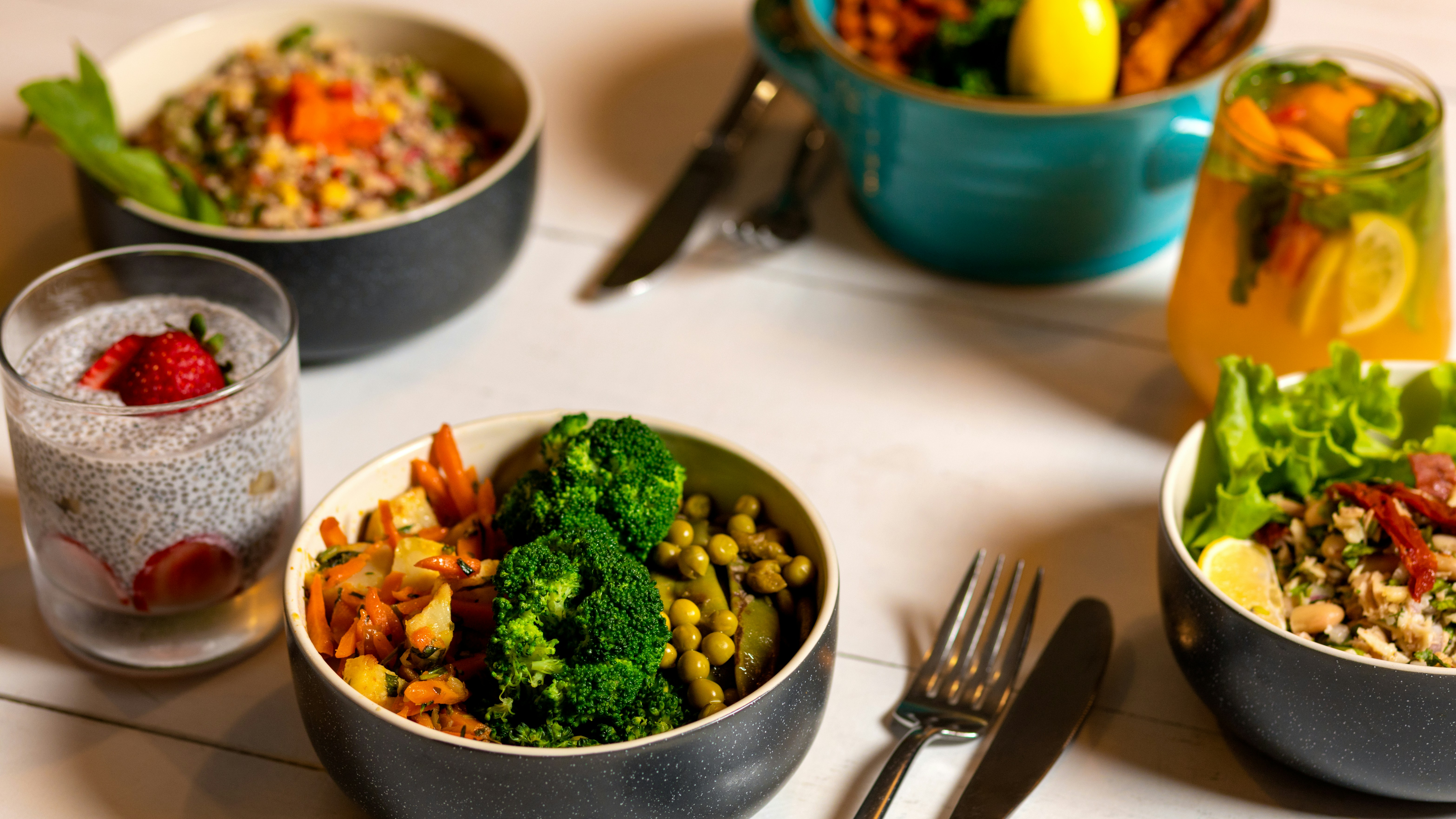
Maintaining a healthy gut is crucial for overall well-being and longevity, and one of the best ways to achieve this is through a balanced diet rich in probiotic and prebiotic foods. Probiotic foods are those that contain beneficial live bacteria, while prebiotic foods serve as nourishment for these good bacteria in the gut microbiome. By incorporating these foods into your diet, you can promote a balanced gut microbiome which is essential for optimal health.
Some of the best probiotic foods include yogurt, kefir, sauerkraut, kimchi, and miso. Yogurt and kefir, both dairy sources, are particularly rich in probiotics like Lactobacillus and Bifidobacterium, which have been shown to improve gut health by enhancing digestion and supporting the immune system. Sauerkraut and kimchi, fermented vegetable options, not only provide probiotics but also add valuable nutrients such as vitamins C and K. Similarly, miso—often used in Japanese cuisine—can contribute to a diverse microbiome.
On the other hand, prebiotic foods include garlic, onions, bananas, asparagus, and oats. These foods are rich in fibers such as inulin, which help stimulate the growth of beneficial gut bacteria. For instance, adding sliced bananas to your breakfast, incorporating garlic into your meals, or enjoying a bowl of oatmeal can significantly support your gut health. It is also advisable to target a variety of these foods throughout the week to ensure a diverse intake of nutrients.
To seamlessly integrate these foods into your diet, consider starting your day with a probiotic-rich yogurt smoothie, adding miso to soups, or including fermented vegetables as side dishes. With consistent efforts, you can establish a sustaining nutrition plan that fosters a healthy gut microbiome and promotes longevity.
The Future of Gut Health Research
As the scientific community continues to uncover the complexities of the human microbiome, emerging research is poised to reshape our understanding of gut health and its implications on aging and longevity. Increasingly, studies have shown that gut health is intricately linked to various aspects of health, including metabolic processes, immune function, and even neurological states. One of the promising frontiers in this field is the exploration of personalized nutrition based on gut microbiota profiles. By analyzing an individual’s unique microbial composition, researchers could develop tailored dietary recommendations that enhance gut health and consequently improve overall well-being as one ages.
In addition, advancements in technology and data analytics are enabling researchers to delve deeper into the microbiome’s role in health and aging. For instance, the use of machine learning algorithms can help identify complex patterns in microbiota dynamics that correlate with age-related health outcomes. This could lead to the discovery of biomarkers for gut health that can serve as indicators of biological age, providing insight into an individual’s longevity prospects. Furthermore, interdisciplinary collaborations encompassing fields like immunology, nutrition, and gerontology are becoming more prevalent, fostering a holistic approach to gut health research.
Another exciting trend is the exploration of probiotic and prebiotic interventions designed to modulate gut microbiota favorably. Clinical trials investigating these interventions are underway and could yield significant findings related to the prevention of age-associated diseases, such as obesity, diabetes, and cognitive decline. As research continues to evolve, it is crucial that practitioners and the public remain informed about the implications of gut health and microbiome science. By harnessing these insights, society can move towards a future where gut health is recognized as a vital contributor to healthy aging and longevity.