
The Allergy Season Hustle: A Common Struggle
Every spring, as flowers bloom and trees begin to unfurl their leaves, many individuals find themselves caught in the relentless grip of allergy season. The struggles associated with this time of year are not merely a seasonal annoyance; they can significantly impact one’s quality of life. Frequent sneezing, pervasive congestion, and overwhelming fatigue are common complaints that plague individuals from various walks of life. While some may dismiss these discomforts as temporary, the truth is that allergy symptoms can lead to frustration and a continual search for relief.
Headaches, another frequent issue during this period, often stem from the inflammation caused by environmental allergens. These involuntary responses can create a cycle of discomfort, as sinus pressure builds, leading to a throbbing sensation that can interfere with daily activities and productivity. Stress, too, can exacerbate these issues, further compounding the challenges posed by seasonal allergies. Many individuals find themselves overextended, juggling work responsibilities, personal commitments, and the growing fatigue that comes with frequent allergy flare-ups.
As the effects of allergies and the resultant inflammation leave people feeling drained, it becomes crucial to explore effective relief mechanisms. The search for solutions often leads to various over-the-counter medications, ranging from antihistamines to nasal sprays. However, individuals are increasingly turning to natural alternatives that promise relief without the unwanted side effects associated with traditional pharmaceutical approaches. In this exploration, quercetin has gained attention for its potential benefits in the realm of allergy management, representing a beacon of hope in a season filled with struggle.
What is Quercetin? A Natural Solution from Fruits and Vegetables
Quercetin is a naturally occurring flavonoid, predominantly found in various fruits and vegetables, that has garnered attention for its remarkable health-promoting properties. This polyphenolic compound is especially abundant in foods such as onions, apples, berries, and tea. Structurally, quercetin is characterized by a benzopyran ring system, which is integral to its classification as a flavonoid. This structure not only contributes to its antioxidant abilities but also aids in the modulation of various cellular processes.
One of the most significant health benefits attributed to quercetin is its capacity to alleviate symptoms associated with allergies. This flavonoid is recognized for its ability to stabilize mast cells, thus inhibiting the release of histamines which are responsible for allergic reactions. As a result, quercetin has been associated with reduced inflammation and fewer allergy symptoms, making it a popular natural solution for many individuals suffering from seasonal allergies or other related conditions.
In addition to its effects on allergies, quercetin exhibits potent anti-inflammatory properties. It functions by interacting with various signaling pathways in the body, effectively reducing inflammatory responses. This mechanism makes it beneficial for individuals dealing with chronic inflammation, a condition linked to numerous diseases, including cardiovascular issues and autoimmune disorders. The presence of quercetin in one’s diet can therefore play a crucial role in promoting overall health and well-being.
Given its favorable profile, many health enthusiasts advocate for the incorporation of quercetin-rich foods into their daily diets. Consuming a variety of fruits and vegetables provides not only quercetin but also an array of other essential nutrients that can contribute to better health outcomes.
The Science Behind Quercetin: Key Discoveries
Quercetin, a flavonoid found in many fruits, vegetables, and grains, has garnered considerable attention in scientific research due to its various health benefits, particularly regarding its antioxidant properties. Numerous studies have demonstrated that quercetin functions effectively as an antioxidant by scavenging free radicals, which can lead to cellular damage and contribute to various chronic diseases. The ability to neutralize oxidative stress positions quercetin as a valuable compound for promoting overall health and potentially mitigating the risk of inflammation-related conditions.
In addition to its antioxidant capabilities, quercetin has been investigated for its impact on histamine release and immune responses, particularly in allergic reactions. Research indicates that quercetin may stabilize mast cells, which are responsible for releasing histamine during allergic responses. This action can significantly lessen the severity of allergic symptoms, making quercetin an essential player in allergy relief. By inhibiting histamine release, quercetin provides a natural alternative for individuals seeking to manage their allergy symptoms.
Further studies have explored quercetin’s role in blood vessel function and cardiovascular health. Evidence suggests that quercetin can improve endothelial function, enhance circulation, and support blood vessel health. The compound aids in the regulation of nitric oxide, a significant factor in vasodilation, leading to lower blood pressure and improved blood flow. Furthermore, quercetin is shown to have anti-inflammatory effects, which can benefit heart health by reducing inflammation within the cardiovascular system.
Lastly, quercetin influences immune signaling pathways, critical for maintaining immune homeostasis. By modulating the immune response, quercetin not only aids in reducing excessive inflammation but also promotes a balanced immune function, underscoring its vital role in overall health. These discoveries showcase quercetin’s multifaceted benefits, highlighting its potential as a powerful ally for those looking to improve their health through natural means.
Mechanisms of Action
Quercetin, a flavonoid predominantly found in fruits and vegetables, exhibits numerous beneficial properties including antioxidant, anti-inflammatory, and antihistamine effects. The mechanisms through which quercetin operates in the body are complex and involve multiple biochemical pathways.
Primarily, quercetin is known to inhibit the release of histamine from mast cells, which significantly contributes to its effectiveness in managing allergy symptoms. By blocking histamine release, quercetin helps alleviate typical allergic reactions such as swelling and respiratory distress. Laboratory studies have demonstrated that quercetin can modulate the signaling pathways related to mast cell activation, thereby preventing the overproduction of histamine.
In addition to its antihistamine effects, quercetin plays a crucial role in reducing inflammation. It does so by downregulating pro-inflammatory cytokines, which are substances secreted by immune cells that promote inflammation. Research indicates that quercetin can inhibit nuclear factor-kappa B (NF-κB), a key regulator involved in the inflammatory response. As such, this flavonoid has the potential to lessen the severity of chronic inflammatory diseases.
Furthermore, quercetin exhibits antioxidant properties, scavenging free radicals and reducing oxidative stress within the body. This is particularly significant as oxidative stress is linked to numerous chronic conditions, including cardiovascular diseases and certain forms of cancer. Clinical trials have suggested that regular consumption of quercetin may enhance antioxidant activity, thereby promoting cellular health.
While laboratory studies provide foundational insight into these mechanisms, clinical trials often yield mixed results. Human studies examining quercetin’s efficacy in treating allergies and inflammation have produced varying outcomes depending on factors such as dosage and individual biological responses. Additionally, ongoing research aims to clarify quercetin’s full potential and the biochemical pathways involved in its action.
Human Trials: What Do We Know So Far?
Quercetin, a flavonoid renowned for its antioxidant properties, has attracted interest in recent years for its potential benefits in alleviating allergy symptoms and managing inflammation. Various human trials have been conducted to assess its efficacy, with results indicating promising outcomes. Many studies suggest that quercetin supplementation may lead to noticeable reductions in symptoms associated with allergies, including nasal congestion, sneezing, and itching. Participants who consumed quercetin reported subjective improvements, reinforcing the notion of its beneficial role in allergy relief.
Additionally, quercetin has been observed to exhibit anti-inflammatory effects. Several trials have shown that individuals experiencing chronic inflammatory conditions, such as asthma or arthritis, often report a decrease in markers of inflammation when supplemented with quercetin. As a result, quercetin is increasingly viewed as a potential adjunctive therapy that may complement existing treatments for these conditions.
However, despite these positive findings, there are notable limitations and inconsistencies that warrant consideration. Not all studies have observed the same level of efficacy, leading to questions regarding the optimal dosage and timing of quercetin intake. Moreover, variations in study designs, including differing methods of assessment and participant demographics, complicate the ability to draw definitive conclusions about the effectiveness of quercetin across diverse populations.
The variability in outcomes highlights the necessity for further research to fully understand quercetin’s potential and limitations. Future studies should focus on establishing standardized protocols to evaluate its effects, paving the way for clearer recommendations in terms of dosage and applications. As interest in natural compounds for allergy and inflammation management grows, a thorough understanding of the practical implications of quercetin through human trials is essential.
A Food-First Approach: Incorporating Quercetin into Your Diet
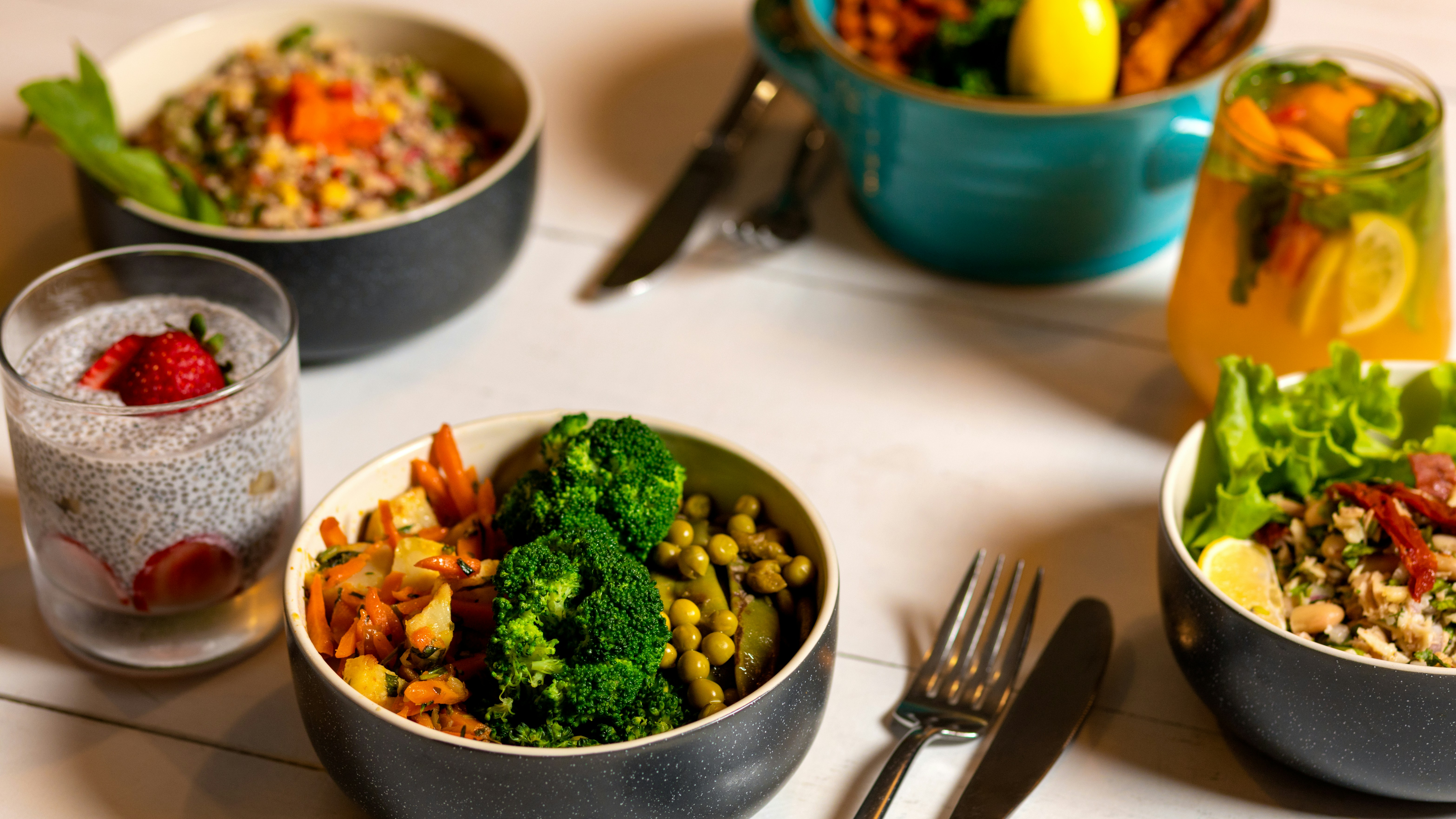
A food-first approach to increasing quercetin intake can not only enhance your nutritional profile but also provide a plethora of health benefits, particularly for those suffering from allergies and inflammation. Quercetin is a flavonoid found in various fruits, vegetables, and herbs that can help modulate the immune response and provide antioxidant protection. Incorporating quercetin-rich foods into your diet is quite simple.
Here is a checklist of foods that are high in quercetin:
- Onions (especially red onions)
- Apples (particularly the peels)
- Berries (blueberries, blackberries, and cranberries)
- Citrus fruits (oranges, lemons, and grapefruits)
- Green tea
- Broccoli
- Capers
- Grapes
- Kale
- Red wine (in moderation)
To seamlessly incorporate these foods into your meals, consider the following recipe ideas:
- Quercetin-Rich Salad: Toss together fresh kale, sliced apples, red onion, and some walnuts. Drizzle with a lemon vinaigrette for a refreshing meal.
- Berry Smoothie: Blend blueberries, blackberries, a banana, and spinach. Add a splash of orange juice for extra flavor and quercetin.
- Stir-Fried Vegetables: Use broccoli, red onion, and bell peppers in a quick stir-fry. Serve over brown rice for a hearty meal.
By consciously adding quercetin-rich foods into your diet, you can take proactive steps towards better health. A balanced diet enriched with these foods is key to harnessing the full potential of quercetin and its beneficial properties.
Debunking Myths: Quercetin Supplements vs. Whole Foods
Quercetin has garnered attention for its potential health benefits, notably its antioxidant properties that aid in allergy relief and inflammation management. However, there are prevalent misconceptions surrounding the efficacy of quercetin supplements compared to consuming quercetin through whole foods.
One common myth is that quercetin supplements provide a more concentrated and effective form of this antioxidant, thus ensuring higher levels of absorption. While it is true that supplement formulations can deliver quercetin in significant doses, research indicates that the bioavailability of quercetin from whole food sources may be superior. Whole foods, such as onions, apples, and berries, contain additional nutrients and phytochemicals that can enhance the absorption and efficacy of quercetin, offering a more holistic approach to health.
Moreover, relying solely on supplements can lead to imbalances in nutrient intake. Whole foods provide a complex matrix of vitamins, minerals, and dietary fibers that facilitate better nutrient utilization in the body. In contrast, supplements often isolate specific compounds, which may not mirror the natural synergies found in food. Studies have suggested that the combination of various phytonutrients present in whole foods results in improved physiological responses compared to singular supplement intake.
There is also a concern regarding the dosage of quercetin in supplements. Over-supplementation can lead to unforeseen side effects, including gastrointestinal discomfort or interference with other medications. Recognizing these discrepancies reinforces the notion that obtaining quercetin from a balanced diet rich in fruits and vegetables is not just preferable but possibly more effective. Thus, embracing whole foods over supplements may align better with one’s overall wellness goals.
Potential Side Effects and Considerations
While quercetin is recognized for its numerous health benefits, including its antioxidant properties and its role in providing allergy relief, it is essential to be aware of potential side effects and interactions. Some individuals may experience mild adverse reactions, such as headaches, stomach upset, or tingling sensations. These effects are generally mild and not long-lasting, yet they underscore the importance of monitoring how one’s body responds after consumption.
Importantly, quercetin may interact with certain medications due to its ability to affect the metabolism of various drugs in the liver. For instance, quercetin can inhibit enzymes responsible for metabolizing drugs such as warfarin, a commonly used anticoagulant. This interaction may increase the risk of bleeding and complications, necessitating a thorough discussion with a healthcare professional before incorporating quercetin into one’s regimen.
Individuals with pre-existing conditions, particularly those involving the liver or kidneys, should exercise caution when considering quercetin supplements. Furthermore, pregnant or breastfeeding women are advised to avoid supplementation unless directed by a doctor, as the effects of quercetin during these periods are not well-studied. As with any dietary supplement, the dosage and form of quercetin can influence its effects and potential side effects.
Given these considerations, it is crucial to consult a healthcare professional prior to starting quercetin, especially for individuals taking medications or those with chronic health conditions. A physician can help evaluate the appropriateness of quercetin based on an individual’s specific health profile, ensuring safe and effective use of this natural supplement.
Conclusion: Harnessing Quercetin for Better Health
Quercetin is emerging as a potent ally in the quest for improved health, particularly for individuals dealing with allergies and inflammation. This natural antioxidant, found abundantly in various fruits and vegetables, possesses anti-inflammatory properties that may significantly alleviate symptoms associated with allergic reactions. By reducing histamine release and combating oxidative stress, quercetin can provide relief from sneezing, nasal congestion, and other discomforts that accompany allergic responses.
Furthermore, the beneficial effects of quercetin extend beyond allergy relief. Research suggests that it may play a role in reducing chronic inflammation, a condition linked to numerous diseases, including heart disease, diabetes, and certain cancers. Thus, integrating quercetin-rich foods such as onions, apples, and berries into one’s diet could support overall health by addressing inflammation at its root. Regular consumption of these foods may catalyze significant health improvements and reduce reliance on pharmaceutical interventions.
To fully harness the benefits of quercetin, individuals are encouraged to prioritize a balanced diet rich in antioxidants. This not only enhances well-being but also provides a foundation for a resilient immune system. Combining quercetin with other vital nutrients found in fruits and vegetables can further amplify its health benefits. By making informed dietary choices, individuals can take proactive steps towards better health, utilizing the power of naturally occurring antioxidants like quercetin as an essential component of their nutritional strategy.