The Mysterious Case of Curcumin
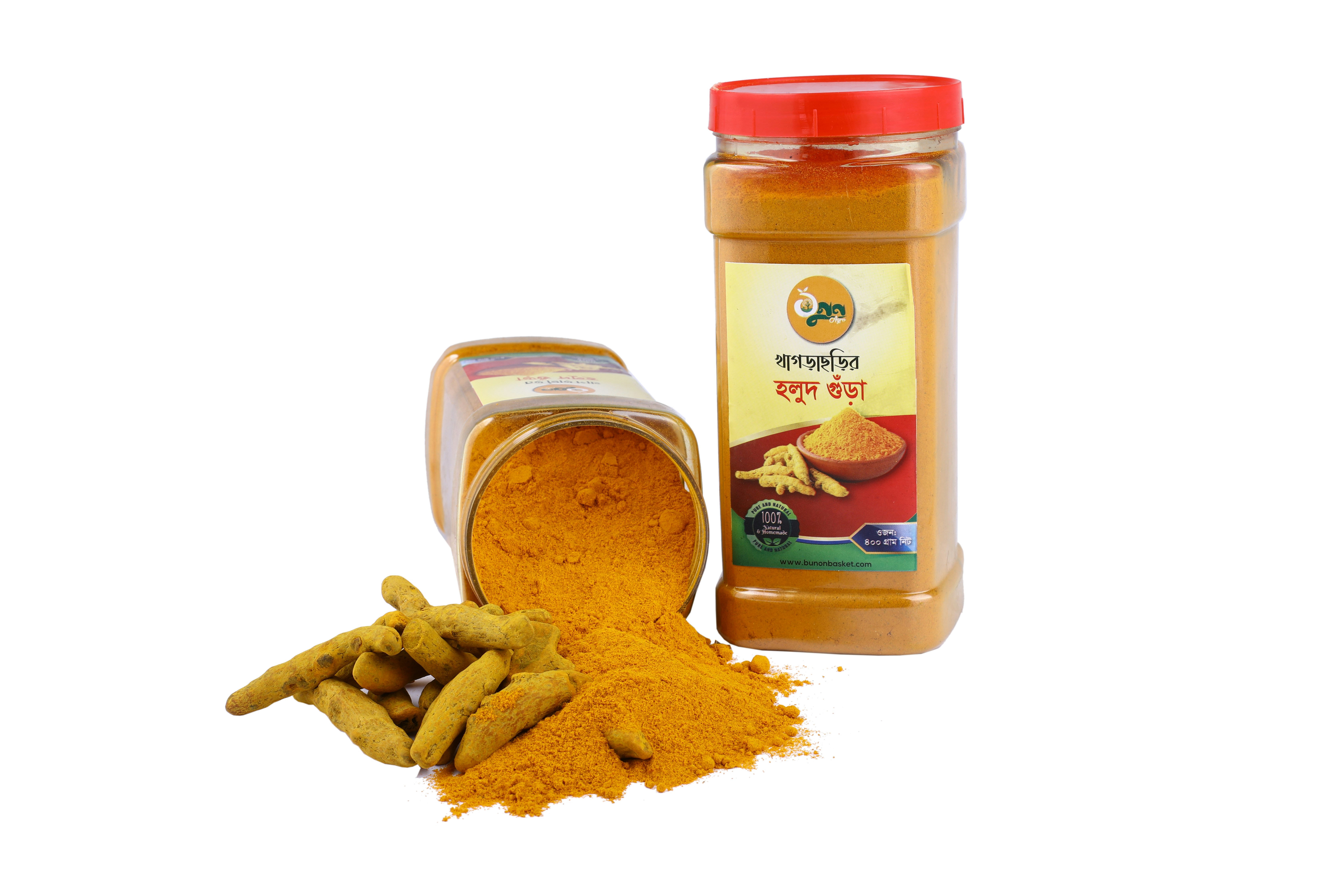
Curcumin, the vibrant yellow compound found in turmeric, serves as a captivating protagonist in the ongoing narrative of health research. This active ingredient has garnered attention akin to that of a skilled detective, tirelessly investigating the underlying causes of pain and inflammation. Through a plethora of studies, curcumin has emerged as a formidable contender in the pursuit of understanding how to combat chronic conditions that afflict millions worldwide.
Researchers have likened the role of curcumin in health investigations to that of an astute sleuth, piecing together clues that may lead to significant breakthroughs in pain management. The compound has been extensively studied for its anti-inflammatory properties, which are particularly relevant in the context of diseases such as arthritis, heart disease, and even certain cancers. By reducing the levels of pro-inflammatory cytokines, curcumin attempts to thwart the progression of inflammation, drawing attention from the medical community.
Furthermore, recent studies hint at the potential of curcumin not merely as a therapeutic agent but also as a preventive measure against inflammation-related ailments. This adds an intriguing layer to its profile, suggesting that curcumin’s influence may extend beyond mere reactive measures and towards a more proactive approach in maintaining health. Nevertheless, while the accumulating evidence is promising, it underscores the importance of continued research to unravel the full scope of curcumin’s capabilities and its optimal usage in clinical settings.
As this narrative unfolds, the implications of these findings extend beyond individual health. They may influence public health policies and dietary recommendations, challenging the way we view and utilize natural compounds in our quest to mitigate inflammation and associated pain. Thus, the enigmatic curcumin continues its investigation, drawing both intrigue and hope from those who seek relief from chronic conditions.
Understanding Inflammation: A Clue to Curcumin’s Popularity
Inflammation is a fundamental biological process that serves as the body’s natural defense mechanism. When an injury or an infection occurs, inflammation acts as the alarm system, signaling the immune system to respond. This process is essential for healing and protecting the body from further damage. Typically, inflammation manifests through various symptoms such as redness, heat, swelling, and pain, which are indicative of the immune response in action.
However, while acute inflammation is beneficial, it can sometimes become chronic and lead to a range of health issues. Chronic inflammation may result from prolonged exposure to irritants, unresolved infections, or autoimmune conditions, where the body mistakenly attacks its tissues. Over time, this state can contribute to various diseases, including arthritis, heart disease, diabetes, and even cancer. Understanding this dual nature of inflammation has piqued the interest of researchers and health practitioners alike.
Curcumin, the active compound found in turmeric, has emerged as a promising candidate for managing inflammation. Studies indicate that curcumin possesses potent anti-inflammatory properties, making it a popular subject of research in the field of natural remedies. Specifically, curcumin is known to inhibit several key inflammatory pathways, including the nuclear factor kappa B (NF-kB) pathway and the cyclooxygenase enzymes (COX-1 and COX-2), which play significant roles in the inflammatory response.
This downregulation of inflammatory mediators suggests that curcumin could potentially mitigate the adverse effects of chronic inflammation. Such findings have led to an increased interest in curcumin as a natural supplement that could contribute to overall health by reducing inflammation-related conditions. As researchers continue to unravel the complexities of inflammation and the mechanisms by which curcumin exerts its effects, its popularity as an adjunct therapy is likely to grow.
The Scientific Spotlight: How Curcumin Calms the Fire
Curcumin, the primary active compound found in turmeric, has garnered significant attention in recent years due to its remarkable ability to modulate inflammatory pathways and alleviate oxidative stress. Scientific research has elucidated the multifaceted mechanisms through which curcumin operates, making it a subject of keen interest in the fields of biochemistry and medicine.
One of the primary ways in which curcumin exerts its anti-inflammatory effects is by inhibiting the expression of pro-inflammatory cytokines, such as TNF-alpha, IL-1, and IL-6. These cytokines play crucial roles in the inflammatory response, and their overproduction can lead to chronic inflammation and various diseases. By downregulating these mediators, curcumin effectively suppresses the inflammatory cascade, contributing to its therapeutic potential.
Moreover, curcumin acts as a potent antioxidant, combating oxidative stress by neutralizing free radicals. The compound enhances the activity of the body’s endogenous antioxidant enzymes, such as superoxide dismutase and glutathione peroxidase, which are vital in maintaining cellular health. This antioxidative action not only protects cells from damage but also further aids in curbing the inflammatory response.
Several key studies underscore the effectiveness of curcumin in managing inflammation. For instance, a randomized, double-blind, placebo-controlled trial demonstrated that curcumin supplementation significantly reduced markers of inflammation in patients with metabolic syndrome. Similarly, another study revealed that curcumin could reduce pain and improve function in patients with osteoarthritis, highlighting its practical applications in clinical settings. Collectively, these findings provide substantial evidence of curcumin’s capability to calm the fire of inflammation through its intricate biochemical interactions.
The Bioavailability Enigma: The Great Absorption Mystery
Curcumin, the active compound found in turmeric, has garnered significant attention due to its anti-inflammatory and antioxidant properties. However, one of the most perplexing challenges associated with curcumin is its bioavailability. Bioavailability refers to the proportion of a substance that enters the bloodstream when it is introduced into the body and is made available for action. In the case of curcumin, this absorption is notoriously low, leading to a paradox for those wishing to harness its benefits.
To understand this issue, consider an analogy involving a sponge and water. While a sponge can absorb a considerable amount of water, it is not always the most efficient container for long-term storage. Similarly, curcumin, despite its potential, faces significant hurdles in being absorbed effectively by the gastrointestinal tract. In a clinical setting, studies suggest that when taken in its pure form, curcumin’s bioavailability is markedly low, often less than 1%. This means that much of the curcumin consumed does not reach the bloodstream, limiting its effectiveness in combating inflammation.
The implications of this absorption challenge are profound. For individuals seeking to benefit from curcumin, simply increasing the dosage may not yield improved results. Instead, incorporating strategies to enhance its bioavailability is crucial. Researchers have explored various methods, such as the use of piperine, a compound found in black pepper that can increase curcumin absorption significantly. Other approaches include formulating curcumin with fats or employing advanced delivery systems to facilitate its uptake. Thus, understanding the bioavailability enigma is critical for effective utilization of curcumin’s health benefits in the fight against inflammation.
Innovations in Curcumin Formulations
Curcumin, the active compound in turmeric, has gained attention for its potential health benefits, particularly in managing inflammation. However, its bioavailability—a measure of how much of a substance is effectively absorbed by the body—has traditionally been a barrier to its widespread use. To overcome this challenge, researchers have developed several innovative formulations aimed at enhancing these absorption rates.
One promising advancement is nano-curcumin, which refers to curcumin particles that have been reduced to the nanoscale. This size reduction increases the surface area, facilitating better absorption in the gastrointestinal tract. Products like “CurcuminGold” utilize this technology, claiming enhanced bioavailability compared to standard curcumin supplements. Studies demonstrate that these nano-formulations could achieve absorption levels up to 40 times higher than conventional curcumin, presenting a significant advantage for consumers seeking the anti-inflammatory properties of this compound.
Another noteworthy formulation is liposomal curcumin. Liposomes are tiny spherical structures that encapsulate curcumin within a lipid bilayer, protecting it from degradation while enhancing its absorption. Brands like “Liposomal Curcumin” leverage this technology to deliver curcumin more effectively through the cellular membranes. Clinical trials have indicated that liposomal curcumin may lead to sustained release and prolonged effects in the bloodstream, making it a promising option for chronic inflammation management.
Additionally, formulations combining curcumin with other bioenhancers, such as piperine from black pepper, are also gaining traction. Piperine has been shown to significantly enhance curcumin’s absorption by as much as 2000%. Many commercial products, including “Turmeric with Black Pepper”, emphasize this combination as a natural approach to maximize the efficacy of curcumin.
These innovative strategies—nano-formulation, liposomal delivery, and bioenhancement with piperine—are not just theoretical; they represent real-world advancements that could revolutionize the way curcumin is consumed. By improving its bioavailability, these innovations hold great promise in harnessing curcumin’s therapeutic potential against inflammation and various health-related issues.
Real-Life Cases: Curcumin in Action
The practical application of curcumin has been documented by numerous individuals seeking relief from various health issues, particularly joint discomfort and inflammation. One notable case involved a 52-year-old woman suffering from osteoarthritis in her knees. After several months of consistent curcumin supplementation, she reported a significant reduction in pain and an improvement in her mobility, aligning with clinical studies suggesting that curcumin’s anti-inflammatory properties may help alleviate symptoms associated with joint disorders.
In another instance, a semi-professional athlete recovering from a knee injury turned to curcumin as part of his rehabilitation regimen. He began taking curcumin capsules in conjunction with physical therapy. Remarkably, he experienced a reduction in inflammation and was able to return to training sooner than anticipated. This practical experience resonates with research findings that indicate curcumin can enhance recovery from injuries due to its potent anti-inflammatory effects.
Moreover, curcumin has also been utilized by individuals dealing with gut irritation. A 34-year-old man diagnosed with irritable bowel syndrome (IBS) incorporated curcumin into his diet in the form of turmeric supplements. Over a period of eight weeks, he observed a decrease in gastrointestinal discomfort and an improvement in overall gut health, which is consistent with studies emphasizing curcumin’s ability to support digestive health and manage gut inflammation.
Though these personal experiences are encouraging, it is essential to approach them with a critical lens. Outcomes can vary based on individual health conditions, lifestyle choices, and the specific formulations of curcumin used. While anecdotal evidence highlights curcumin’s potential benefits, further research is necessary to fully understand its effects across diverse populations and health scenarios.
What Research Suggests: The Evidence So Far
Research surrounding curcumin, the active component of turmeric, has garnered significant attention due to its potential anti-inflammatory properties. Numerous studies have explored curcumin’s effectiveness in treating inflammation-related conditions such as arthritis, cardiovascular diseases, and even cognitive decline. A growing body of evidence suggests that curcumin may help alleviate pain through its modulation of inflammatory pathways.
Randomized controlled trials have indicated that curcumin can produce notable benefits in patients with osteoarthritis and rheumatoid arthritis. For instance, a meta-analysis in the journal Phytotherapy Research demonstrated that individuals supplementing with curcumin experienced considerable reductions in pain compared to placebo groups. Additionally, the anti-inflammatory effects observed in several studies have led researchers to theorize that curcumin could serve as a valuable adjunct to conventional treatments.
However, despite these promising findings, not all research presents such favorable results. Some studies have shown minimal or no significant effect of curcumin on inflammation and pain management. For example, a study published in JAMA Network Open suggested that while curcumin showed potential, its efficacy was often inconsistent and dependent on specific formulations and dosages used. Moreover, researchers noted the bioavailability of curcumin as a challenge, as it is known to be poorly absorbed in the human body without appropriate enhancements.
This dichotomy in research outcomes emphasizes the necessity for further investigations to conclusively determine curcumin’s role in inflammation alleviation. Future studies are likely to focus on improving delivery methods and understanding the mechanisms by which curcumin interacts with the body, thus potentially solidifying its place in the realm of pain management.
The Unknowns: What Remains Uncertain
The exploration of curcumin and its effects on inflammation has unveiled numerous promising insights; however, several uncertainties persist within this realm of research. One of the primary challenges is the lack of consensus on effective dosage. Studies vary significantly in the amounts of curcumin administered, leading to ambiguities in understanding how much is necessary to elicit a beneficial response. This discrepancy complicates the formulation of standardized recommendations that could guide consumers toward optimal use.
Another area that remains unclear is the individual response to curcumin supplementation. Factors such as genetic predispositions, concurrent health conditions, and lifestyle choices may influence how effectively one might respond to curcumin. This variability suggests that while some individuals may experience substantial relief from inflammation through curcumin, others may not notice any significant effect. Further investigation into these individual differences is necessary to create tailored approaches to curcumin supplementation.
The necessity for comprehensive studies is paramount in addressing these uncertainties. Many current studies often have small sample sizes or short durations, which limit the strength and generalizability of their findings. Larger-scale trials that examine the long-term effects of curcumin on inflammation are essential to draw solid conclusions. Moreover, investigating the combined effects of curcumin with other substances or treatments may offer deeper insights into its therapeutic potential. Until these various areas are thoroughly researched, the full spectrum of curcumin’s efficacy remains somewhat murky.
Caution and Considerations: Safe Use of Curcumin
Curcumin, a bioactive compound derived from turmeric, is widely recognized for its potential health benefits, particularly in combating inflammation. However, optimal and safe usage is paramount for consumers looking to incorporate curcumin into their health regimens. The bioavailability of curcumin is notably low, which leads many to opt for concentrated formulations. While these concentrated doses may heighten curcumin’s anti-inflammatory effects, they also come with increased risk of adverse effects and potential interactions with medications.
High doses of curcumin can lead to gastrointestinal discomfort, such as nausea or diarrhea. Additionally, individuals taking anticoagulants or blood thinners may face heightened risks, as curcumin can have a blood-thinning effect. Therefore, it is critical for individuals on such medications to consult with healthcare professionals prior to integrating curcumin supplements into their routines. Similarly, individuals with gallbladder issues or those pregnant or breastfeeding should approach curcumin supplementation with caution, seeking professional medical advice to ensure safety.
When considering curcumin as a supplement, it is advisable to start with modest doses and monitor the body’s response. The potential for interactions with other supplements and medications necessitates a thorough review by a health provider. Furthermore, consumers should be aware of the quality of the products they choose, as variability in potency and formulation can significantly affect both efficacy and safety. As research evolves, continuously aligning one’s supplement intake with the latest findings and seeking guidance from healthcare professionals can help optimize the benefits of curcumin while mitigating risks.